Valhalla Construction LLC

Does 811 Mark Private Utility Lines in Bonner County?

Share this article

Calling 811 before you dig only gets you partway there. Locators mark the public lines a utility company owns, usually up to your meter or property line. Everything past that point is on you, including your well line, septic pipe, propane run, and the wire feeding your shop.


That gap surprises a lot of Bonner County property owners, especially on acreage where private lines run hundreds of feet. So here is what the 811 system covers in 2026, what it leaves out, and how to protect your project before the first bucket hits the dirt.

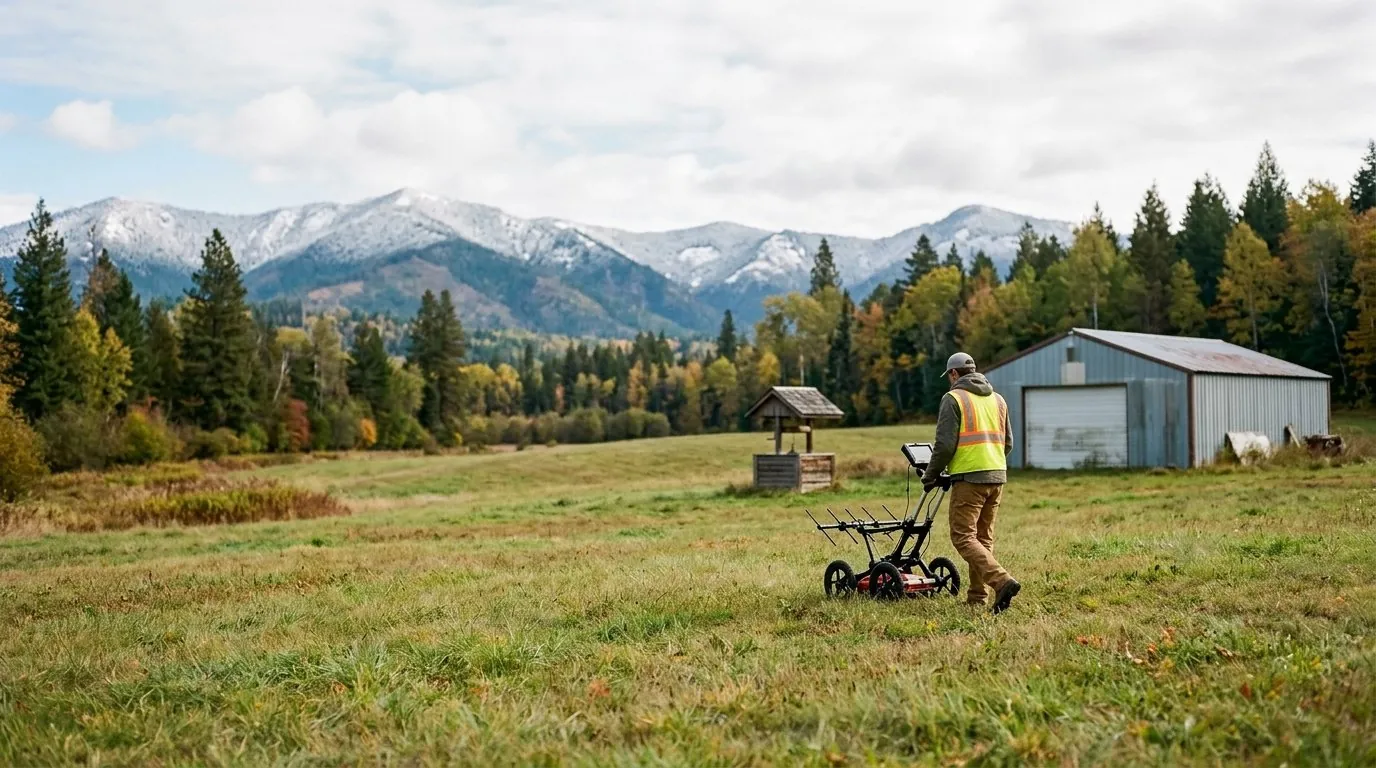
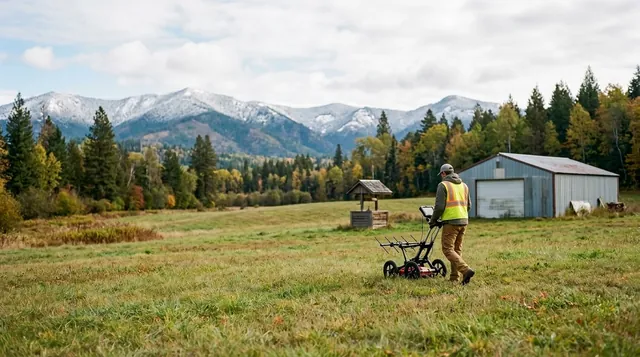
A technician in a high-visibility vest pushes a ground-penetrating radar cart across a grass field on a rural property, with a metal outbuilding and well head nearby and snow-dusted mountains behind the treeline.

What Dig Safe North Idaho 811 Covers in 2026

Dig Safe North Idaho 811 is the one-call notification center for this area. It serves Bonner, Boundary, and Kootenai counties and can be reached by dialing 811 or calling 800-428-4950. Idaho law requires you to submit your request at least two business days and no more than 10 business days before you excavate, and to pre-mark your dig area in white paint.


Here is the catch, though. Those locators mark public infrastructure only, such as the water, gas, or power mains running up to your property line or meter. They are not required to locate anything past that boundary, and in most cases they will not. Private underground utility locating is a separate service you arrange yourself.


Skipping either step is expensive. Failing to notify 811 before excavation is still the leading root cause of buried utility damage nationwide, and the Common Ground Alliance logged 221,717 damage reports in 2025 alone.

Why Private Utility Lines Are the Bigger Risk

Private lines carry more risk because nobody else is responsible for marking them. Bonner County properties tend to be spread out, with wells, septic systems, and detached outbuildings sitting well away from the house. As a result, you have more buried runs than a typical city lot and more chances to hit one.


These are the lines 811 will not mark for you:

Private Line Where It Usually Runs
Well water line From the well head to the house
Septic and sewer From the house to the tank and drain field
Propane From the tank to the house, shop, or generator
Secondary electrical From the main panel to a garage, barn, or shop
Irrigation Across gardens, pasture, or livestock areas

Striking any of them during demolition and excavation work means repair bills and schedule delays at minimum. With a gas or electrical line, it becomes a safety problem. Nationally, CGA estimates that damage to buried utilities costs the U.S. economy about $83.2 billion a year once outages, response, and business disruption are counted.

When You Need a Private Locate

You need a private locate any time your project disturbs ground deeper than a shovel's width, and especially when heavy equipment is involved. Technicians use ground-penetrating radar and electromagnetic tools to trace your private lines, then flag them clearly before anything moves.


Projects that almost always call for one include:

  1. Foundation or basement excavation
  2. New septic installation or tank replacement
  3. Demolition of a structure or concrete slab
  4. Trenching for a detached garage, shop, or barn
  5. Large-scale grading or land clearing


Foundation work for additions and structural projects falls in this group, and so does site prep for pre-engineered steel buildings, where pad excavation often crosses older utility runs nobody documented.

Why Fall Timing Matters in North Idaho

Schedule your locates early in the fall, because the window closes fast. Once the ground firms up and frost sets in, excavation gets harder, slower, and more expensive. October and November are when most property owners rush to finish outdoor work, which is exactly when unmarked lines get hit.


Timing matters on paper too. Under Idaho statute, utility markings stay valid for no longer than three consecutive weeks from the date of notification, as long as site conditions have not changed. So if your schedule slips past that point, you need a fresh locate.


If you are planning cold-weather ground work, our guide to basement construction and remodels in Bonner County walks through frost line depth and winter pour timing in more detail.

Your Pre-Dig Checklist

Work through these five steps in order before any equipment arrives:

  1. Submit your 811 request 2 to 10 business days ahead, as Idaho law requires.
  2. Pre-mark your dig area in white paint.
  3. Book a private locate for everything past the meter or well head.
  4. Pull together any utility records, as-builts, or septic permits you have.
  5. Point out every outbuilding, well, and tank to your locating crew.


Then schedule excavation once both locates are done. Our crews follow this process on every ground-disturbing job across Bonner County, because the cost of a locate is small next to the cost of a repair.

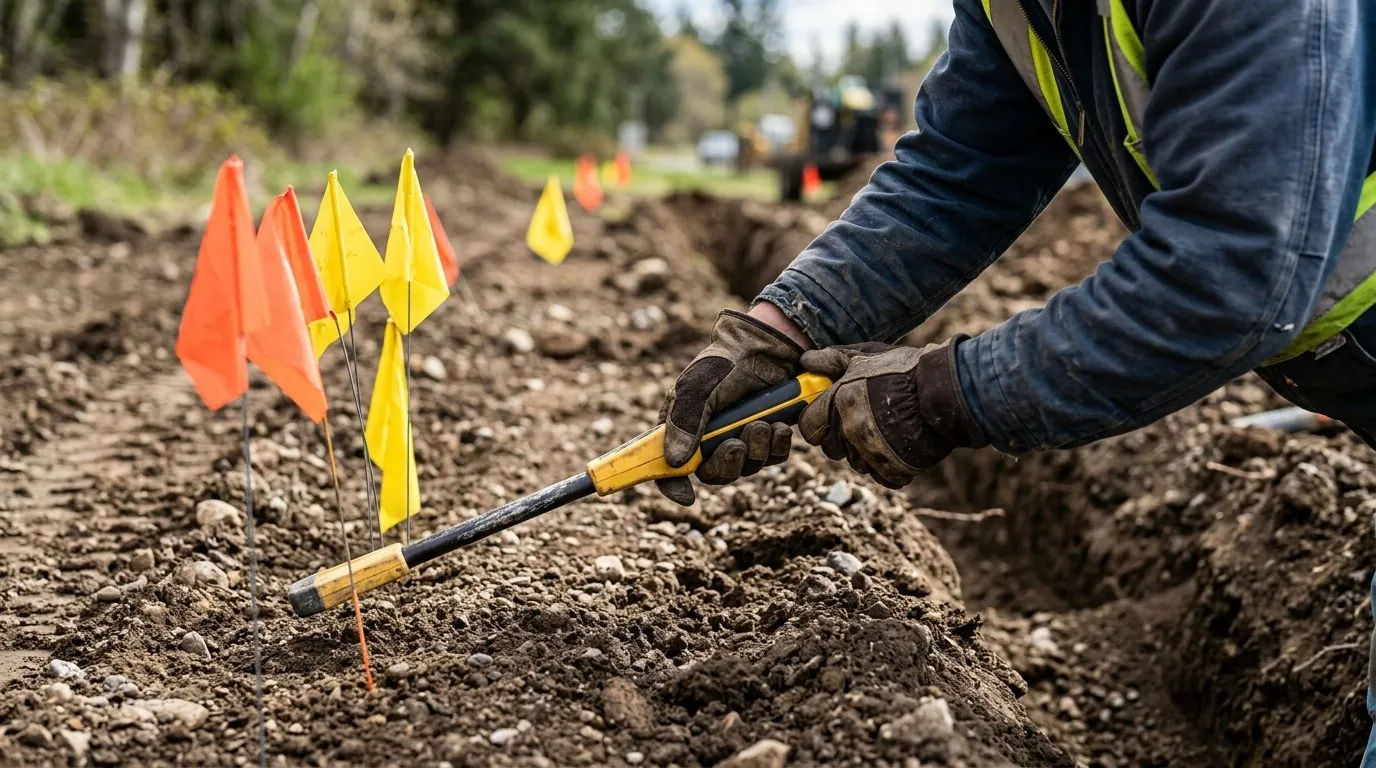
A gloved worker pushes a yellow-handled marker flag into bare excavated soil beside a row of orange and yellow utility flags already set along an open trench.

FAQs About 811 Mark Private Lines

  • Does calling 811 cover my whole property?

    No. 811 covers public utility lines up to your meter or property line. Private lines such as well water, septic, propane, and secondary electrical are not included and need a separate locate.

  • How long does a private underground locate take?

    It depends on acreage and how many lines need tracing, but most residential properties can be mapped in a single visit. Booking early in the fall keeps your project on schedule.

  • What happens if I hit an unmarked line?

    You are looking at repair costs, project delays, and a possible safety hazard depending on what you struck. Gas and electrical strikes are the most dangerous.

  • Is locating only for new construction?

    Not at all. Demolition, additions, septic replacement, trenching, and outbuilding pads all need accurate locating first.

  • Who pays for a private locate?

    The property owner does, since private lines are owned by you rather than a utility company. The 811 locate itself is free.

Schedule Your Underground Locate Before You Dig

If you have excavation, demolition, or trenching planned this fall, get your property mapped before the ground freezes. Call Valhalla Construction LLC at (208) 691-6726 or reach out through our contact page to book your locate.

Recent Posts

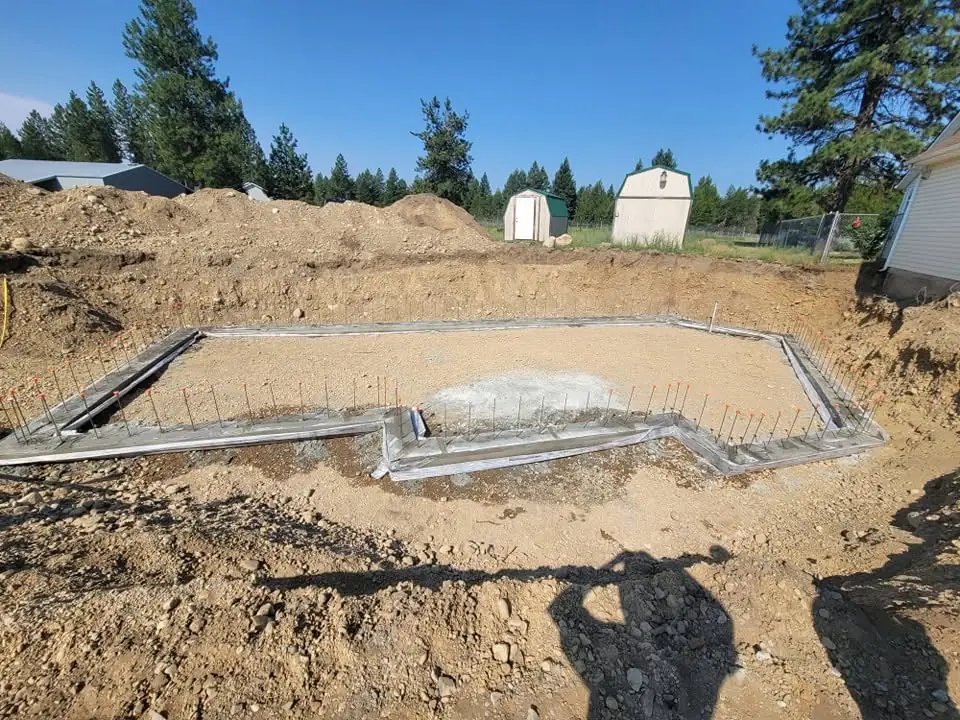
Poured concrete footings below the frost line for a basement addition in North Idaho
September 30, 2026
Planning basement construction and remodels in Bonner County, ID? Learn frost line depths, winter pours, 2026 permit steps, and design trends.
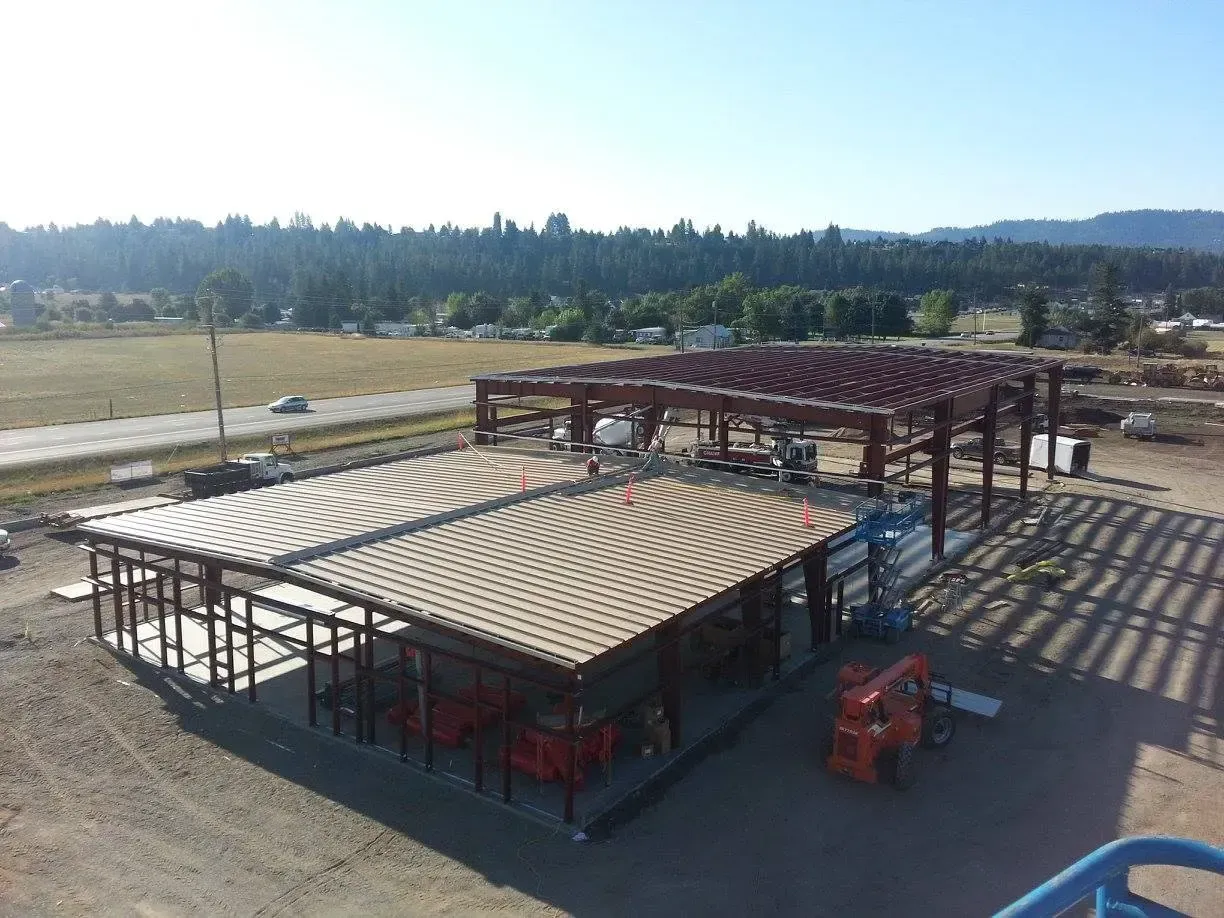
Pre-engineered steel building under construction on an open North Idaho site
August 15, 2026
Thinking about a pre-engineered steel building in North Idaho? See why they beat wood for snow, fire, and value in North Idaho. Call Valhalla today.
Custom home builder in North Idaho
July 24, 2026
Planning a custom home in North Idaho? Learn how land, building systems, design-build planning, and 2026 ADU rules affect cost, timing, and design.
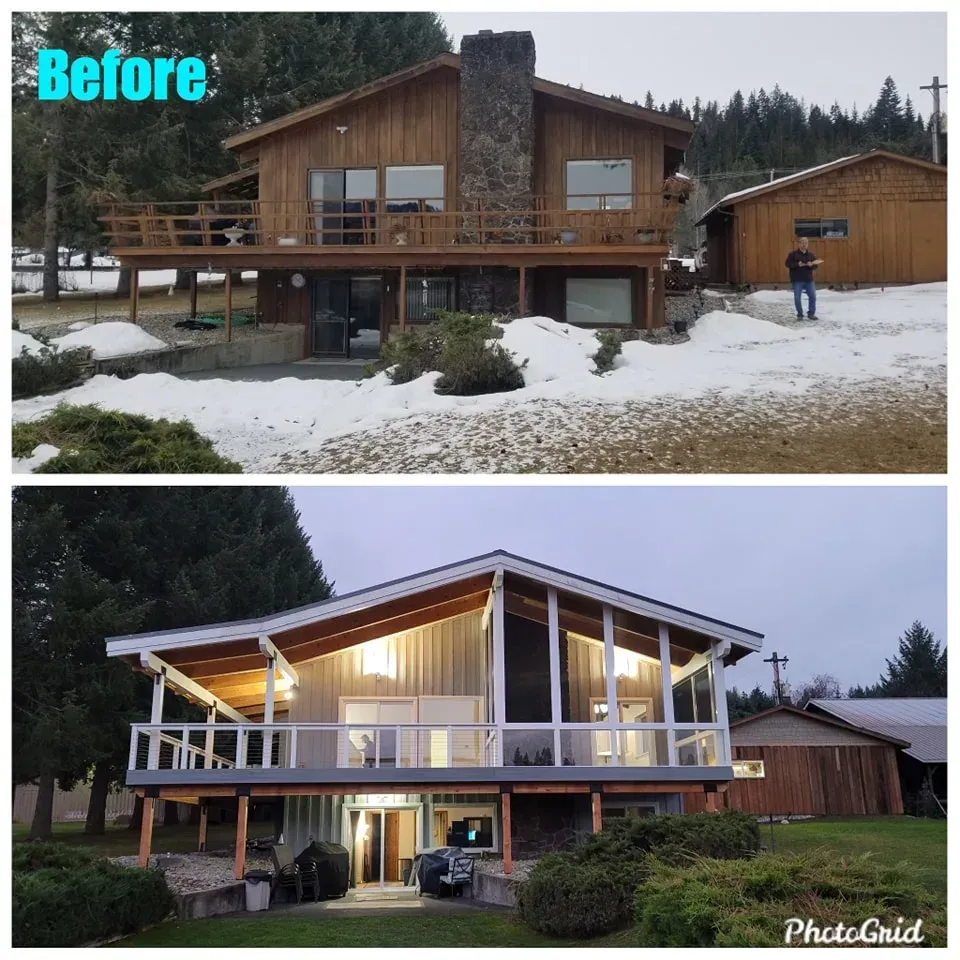
Before-and-after of a modern lake house.
June 29, 2026
Planning a whole house renovation in North Idaho? Learn about timelines, cost factors, planning steps, contractor selection, and what homeowners can expect.
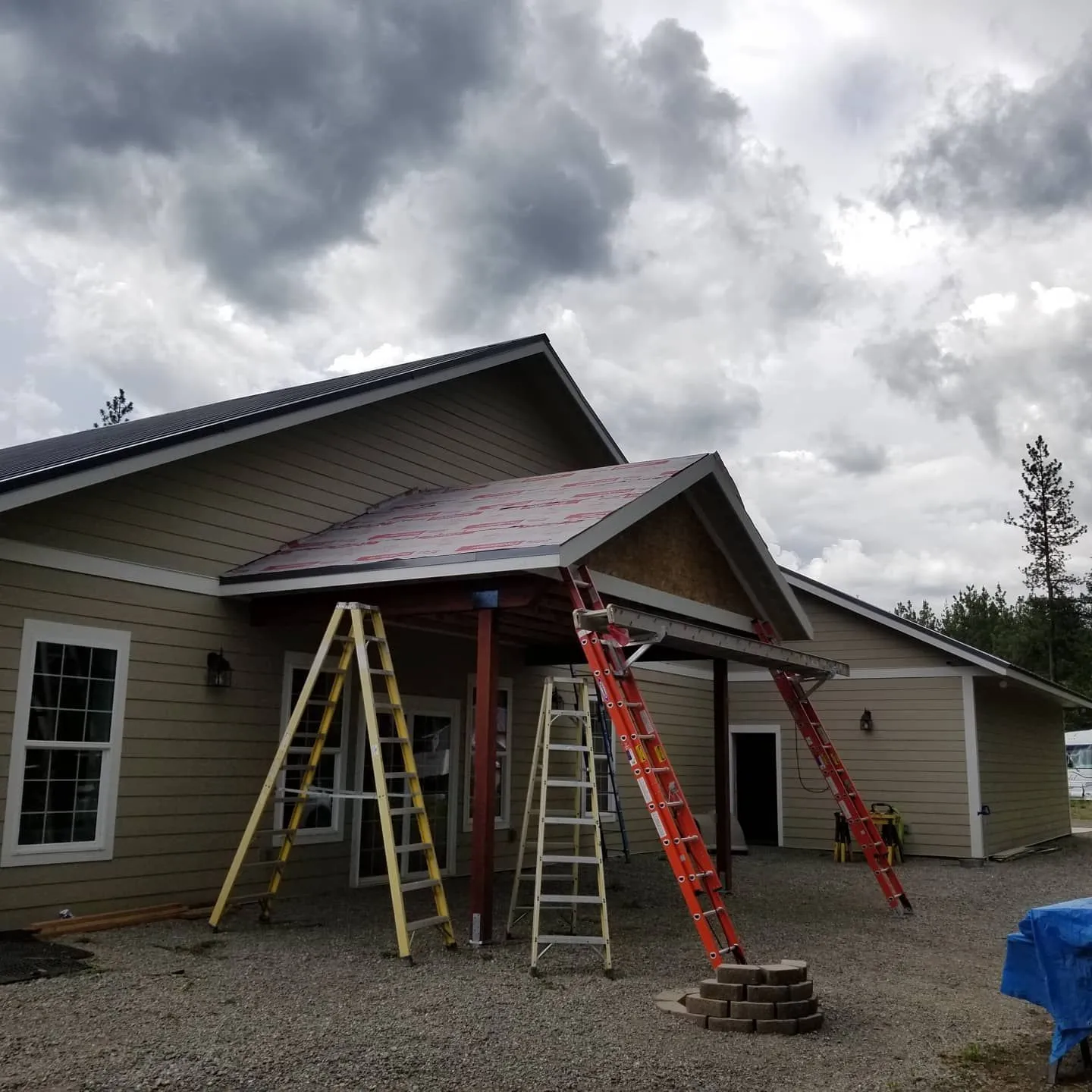
Top Home Remodeling Services That Add the Most Value in North Idaho Homes
May 4, 2026
Upgrade your North Idaho home with Valhalla Construction LLC’s home remodeling services, from basements and additions to whole house makeovers.
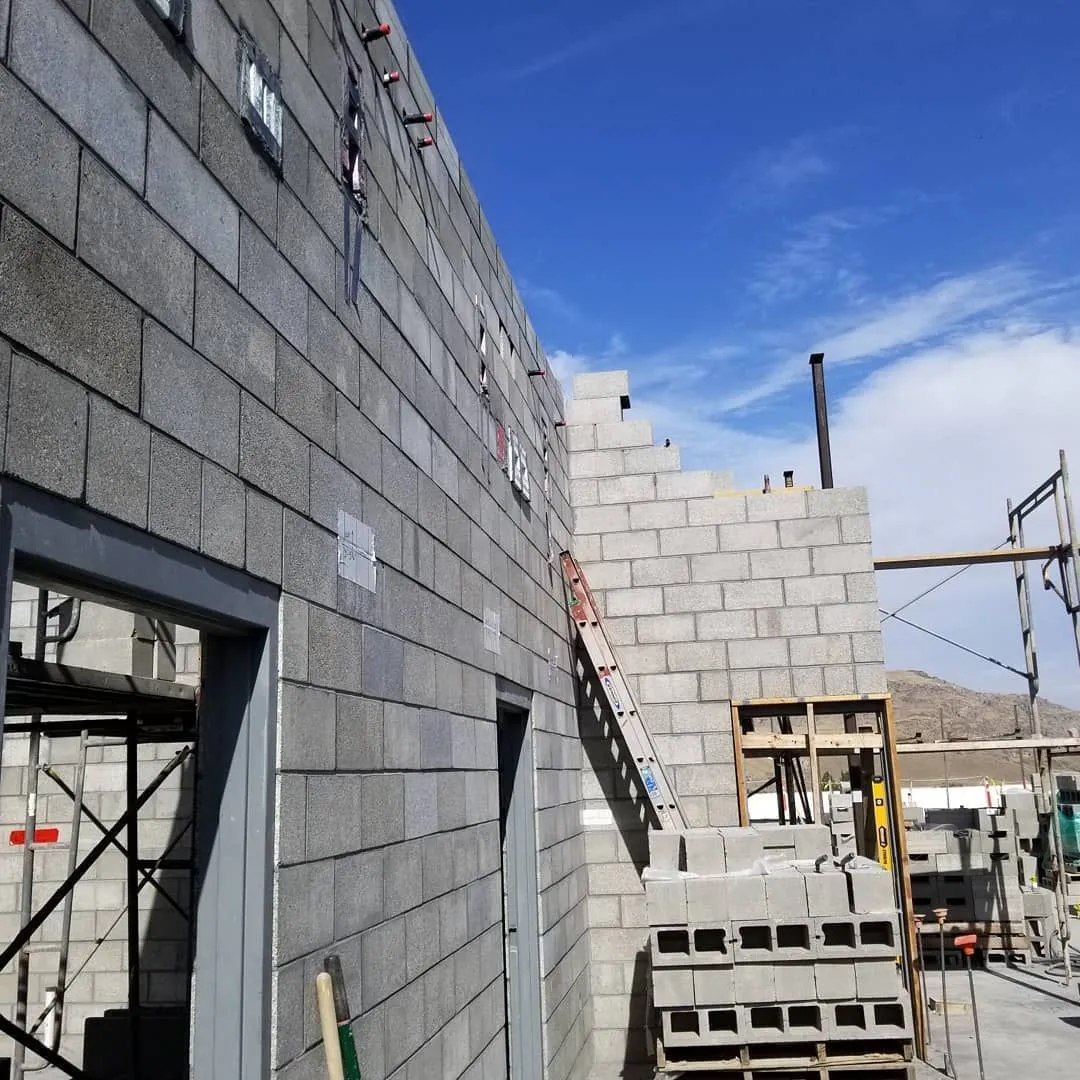
Structural Renovations & Repairs: Signs Your Home Needs Professional Attention
February 13, 2026
Protect your North Idaho home with Valhalla Construction LLC. Learn signs you need residential structural repair and professional structural additions.
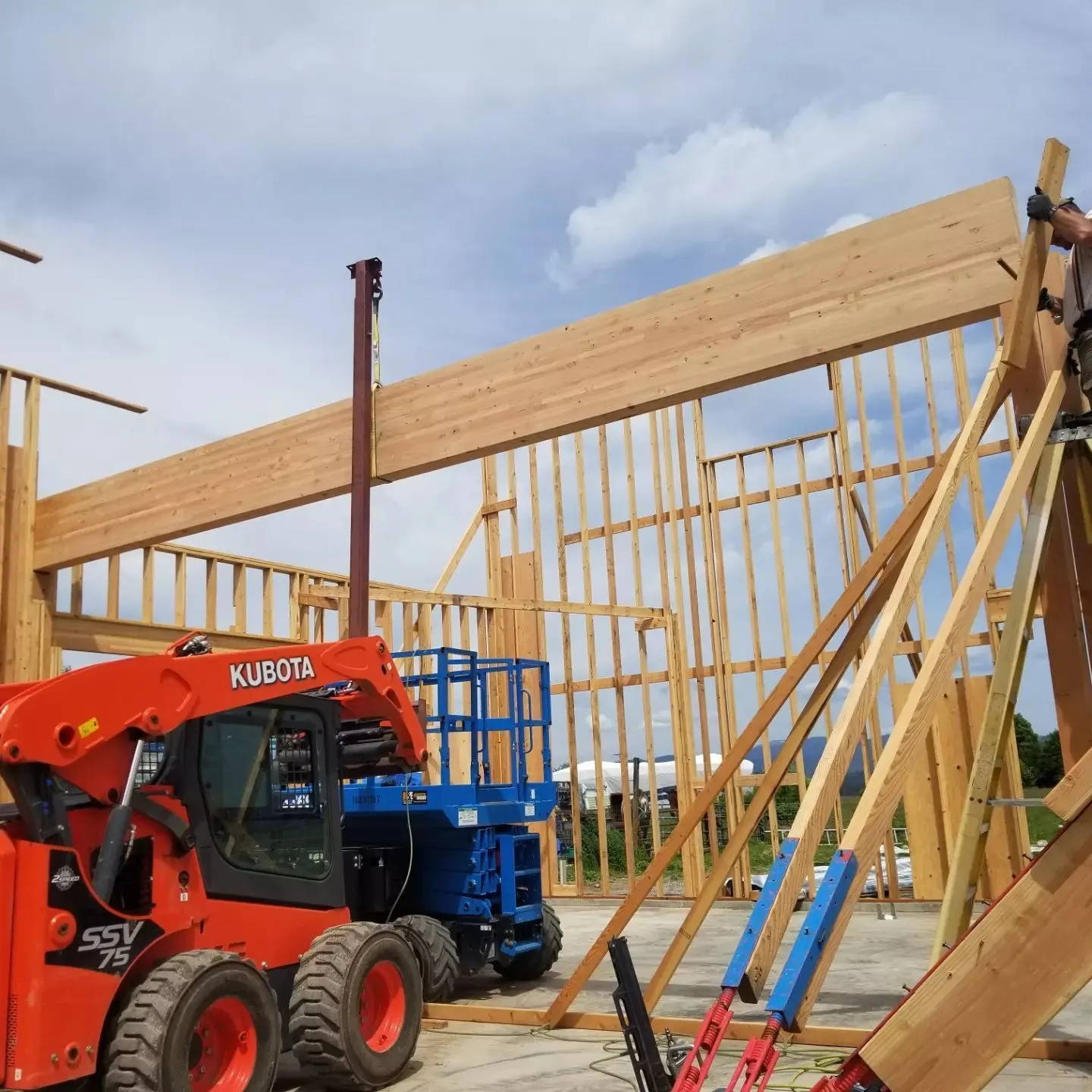
How to Choose the Right Residential Construction Company in North Idaho
January 16, 2026
Learn how to choose the right residential construction company in North Idaho, including tips on experience, licensing, pricing, and hiring a trusted contractor.
Poured concrete footings below the frost line for a basement addition in North Idaho
September 30, 2026
Planning basement construction and remodels in Bonner County, ID? Learn frost line depths, winter pours, 2026 permit steps, and design trends.
Pre-engineered steel building under construction on an open North Idaho site
August 15, 2026
Thinking about a pre-engineered steel building in North Idaho? See why they beat wood for snow, fire, and value in North Idaho. Call Valhalla today.
Custom home builder in North Idaho
July 24, 2026
Planning a custom home in North Idaho? Learn how land, building systems, design-build planning, and 2026 ADU rules affect cost, timing, and design.
Before-and-after of a modern lake house.
June 29, 2026
Planning a whole house renovation in North Idaho? Learn about timelines, cost factors, planning steps, contractor selection, and what homeowners can expect.
Top Home Remodeling Services That Add the Most Value in North Idaho Homes
May 4, 2026
Upgrade your North Idaho home with Valhalla Construction LLC’s home remodeling services, from basements and additions to whole house makeovers.
Structural Renovations & Repairs: Signs Your Home Needs Professional Attention
February 13, 2026
Protect your North Idaho home with Valhalla Construction LLC. Learn signs you need residential structural repair and professional structural additions.
How to Choose the Right Residential Construction Company in North Idaho
January 16, 2026
Learn how to choose the right residential construction company in North Idaho, including tips on experience, licensing, pricing, and hiring a trusted contractor.

Valhalla Construction LLC

Does 811 Mark Private Utility Lines in Bonner County?

Share this article

Calling 811 before you dig only gets you partway there. Locators mark the public lines a utility company owns, usually up to your meter or property line. Everything past that point is on you, including your well line, septic pipe, propane run, and the wire feeding your shop.


That gap surprises a lot of Bonner County property owners, especially on acreage where private lines run hundreds of feet. So here is what the 811 system covers in 2026, what it leaves out, and how to protect your project before the first bucket hits the dirt.

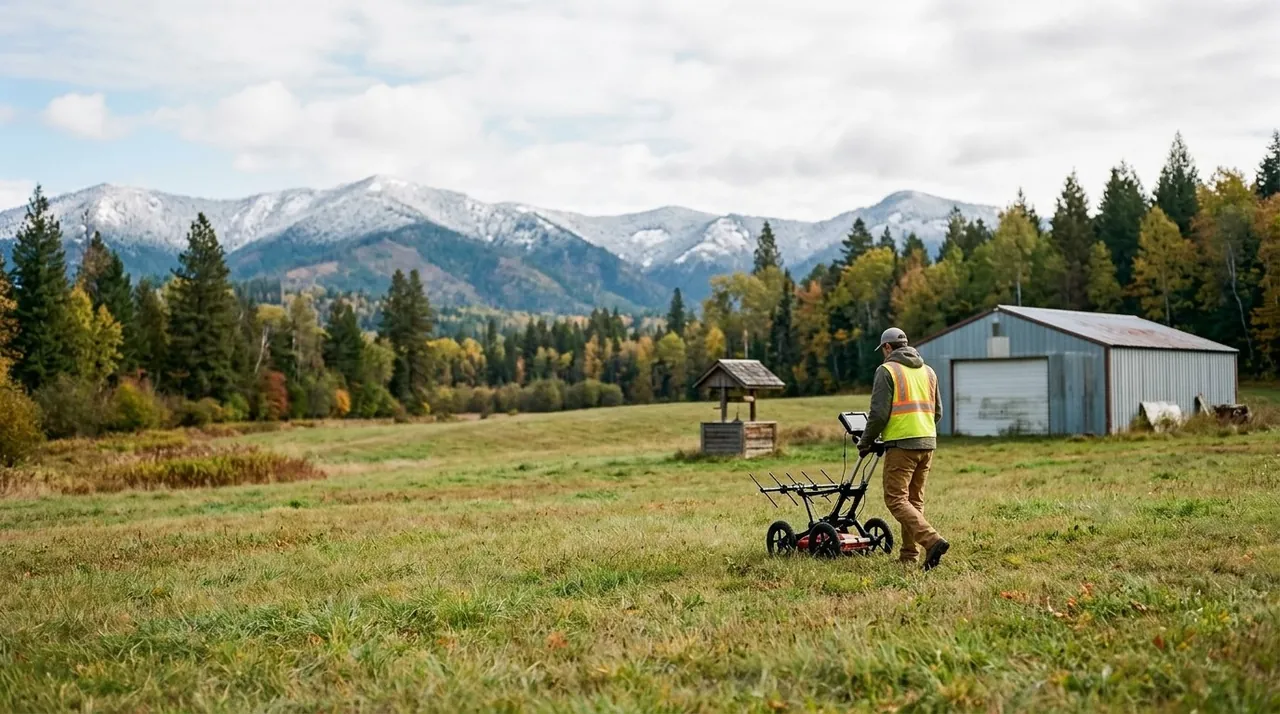
A technician in a high-visibility vest pushes a ground-penetrating radar cart across a grass field on a rural property, with a metal outbuilding and well head nearby and snow-dusted mountains behind the treeline.

What Dig Safe North Idaho 811 Covers in 2026

Dig Safe North Idaho 811 is the one-call notification center for this area. It serves Bonner, Boundary, and Kootenai counties and can be reached by dialing 811 or calling 800-428-4950. Idaho law requires you to submit your request at least two business days and no more than 10 business days before you excavate, and to pre-mark your dig area in white paint.


Here is the catch, though. Those locators mark public infrastructure only, such as the water, gas, or power mains running up to your property line or meter. They are not required to locate anything past that boundary, and in most cases they will not. Private underground utility locating is a separate service you arrange yourself.


Skipping either step is expensive. Failing to notify 811 before excavation is still the leading root cause of buried utility damage nationwide, and the Common Ground Alliance logged 221,717 damage reports in 2025 alone.

Why Private Utility Lines Are the Bigger Risk

Private lines carry more risk because nobody else is responsible for marking them. Bonner County properties tend to be spread out, with wells, septic systems, and detached outbuildings sitting well away from the house. As a result, you have more buried runs than a typical city lot and more chances to hit one.


These are the lines 811 will not mark for you:

Private Line Where It Usually Runs
Well water line From the well head to the house
Septic and sewer From the house to the tank and drain field
Propane From the tank to the house, shop, or generator
Secondary electrical From the main panel to a garage, barn, or shop
Irrigation Across gardens, pasture, or livestock areas

Striking any of them during demolition and excavation work means repair bills and schedule delays at minimum. With a gas or electrical line, it becomes a safety problem. Nationally, CGA estimates that damage to buried utilities costs the U.S. economy about $83.2 billion a year once outages, response, and business disruption are counted.

When You Need a Private Locate

You need a private locate any time your project disturbs ground deeper than a shovel's width, and especially when heavy equipment is involved. Technicians use ground-penetrating radar and electromagnetic tools to trace your private lines, then flag them clearly before anything moves.


Projects that almost always call for one include:

  1. Foundation or basement excavation
  2. New septic installation or tank replacement
  3. Demolition of a structure or concrete slab
  4. Trenching for a detached garage, shop, or barn
  5. Large-scale grading or land clearing


Foundation work for additions and structural projects falls in this group, and so does site prep for pre-engineered steel buildings, where pad excavation often crosses older utility runs nobody documented.

Why Fall Timing Matters in North Idaho

Schedule your locates early in the fall, because the window closes fast. Once the ground firms up and frost sets in, excavation gets harder, slower, and more expensive. October and November are when most property owners rush to finish outdoor work, which is exactly when unmarked lines get hit.


Timing matters on paper too. Under Idaho statute, utility markings stay valid for no longer than three consecutive weeks from the date of notification, as long as site conditions have not changed. So if your schedule slips past that point, you need a fresh locate.


If you are planning cold-weather ground work, our guide to basement construction and remodels in Bonner County walks through frost line depth and winter pour timing in more detail.

Your Pre-Dig Checklist

Work through these five steps in order before any equipment arrives:

  1. Submit your 811 request 2 to 10 business days ahead, as Idaho law requires.
  2. Pre-mark your dig area in white paint.
  3. Book a private locate for everything past the meter or well head.
  4. Pull together any utility records, as-builts, or septic permits you have.
  5. Point out every outbuilding, well, and tank to your locating crew.


Then schedule excavation once both locates are done. Our crews follow this process on every ground-disturbing job across Bonner County, because the cost of a locate is small next to the cost of a repair.

A gloved worker pushes a yellow-handled marker flag into bare excavated soil beside a row of orange and yellow utility flags already set along an open trench.

FAQs About 811 Mark Private Lines

  • Does calling 811 cover my whole property?

    No. 811 covers public utility lines up to your meter or property line. Private lines such as well water, septic, propane, and secondary electrical are not included and need a separate locate.

  • How long does a private underground locate take?

    It depends on acreage and how many lines need tracing, but most residential properties can be mapped in a single visit. Booking early in the fall keeps your project on schedule.

  • What happens if I hit an unmarked line?

    You are looking at repair costs, project delays, and a possible safety hazard depending on what you struck. Gas and electrical strikes are the most dangerous.

  • Is locating only for new construction?

    Not at all. Demolition, additions, septic replacement, trenching, and outbuilding pads all need accurate locating first.

  • Who pays for a private locate?

    The property owner does, since private lines are owned by you rather than a utility company. The 811 locate itself is free.

Schedule Your Underground Locate Before You Dig

If you have excavation, demolition, or trenching planned this fall, get your property mapped before the ground freezes. Call Valhalla Construction LLC at (208) 691-6726 or reach out through our contact page to book your locate.

Recent Posts

Poured concrete footings below the frost line for a basement addition in North Idaho
September 30, 2026
Planning basement construction and remodels in Bonner County, ID? Learn frost line depths, winter pours, 2026 permit steps, and design trends.
Pre-engineered steel building under construction on an open North Idaho site
August 15, 2026
Thinking about a pre-engineered steel building in North Idaho? See why they beat wood for snow, fire, and value in North Idaho. Call Valhalla today.
Custom home builder in North Idaho
July 24, 2026
Planning a custom home in North Idaho? Learn how land, building systems, design-build planning, and 2026 ADU rules affect cost, timing, and design.
Before-and-after of a modern lake house.
June 29, 2026
Planning a whole house renovation in North Idaho? Learn about timelines, cost factors, planning steps, contractor selection, and what homeowners can expect.
Top Home Remodeling Services That Add the Most Value in North Idaho Homes
May 4, 2026
Upgrade your North Idaho home with Valhalla Construction LLC’s home remodeling services, from basements and additions to whole house makeovers.
Structural Renovations & Repairs: Signs Your Home Needs Professional Attention
February 13, 2026
Protect your North Idaho home with Valhalla Construction LLC. Learn signs you need residential structural repair and professional structural additions.
How to Choose the Right Residential Construction Company in North Idaho
January 16, 2026
Learn how to choose the right residential construction company in North Idaho, including tips on experience, licensing, pricing, and hiring a trusted contractor.