





Valhalla Construction LLC

A Homeowner’s Guide to Basement Construction and Remodels in Bonner County

Share this article

Basement construction and remodels in Bonner County, ID take a different approach than the same work in a milder climate. Your frost line runs deep, winter stretches long, and the soil shifts every time it freezes and thaws. Because of that, what happens below grade matters more here than almost anywhere else in your home.


Valhalla Construction LLC is a veteran-owned, design-build contractor that has served North Idaho homeowners since 2013. Below, we walk you through the depth requirements, the seasonal timing, the design trends worth following, and the steps that protect your budget before anyone starts digging.

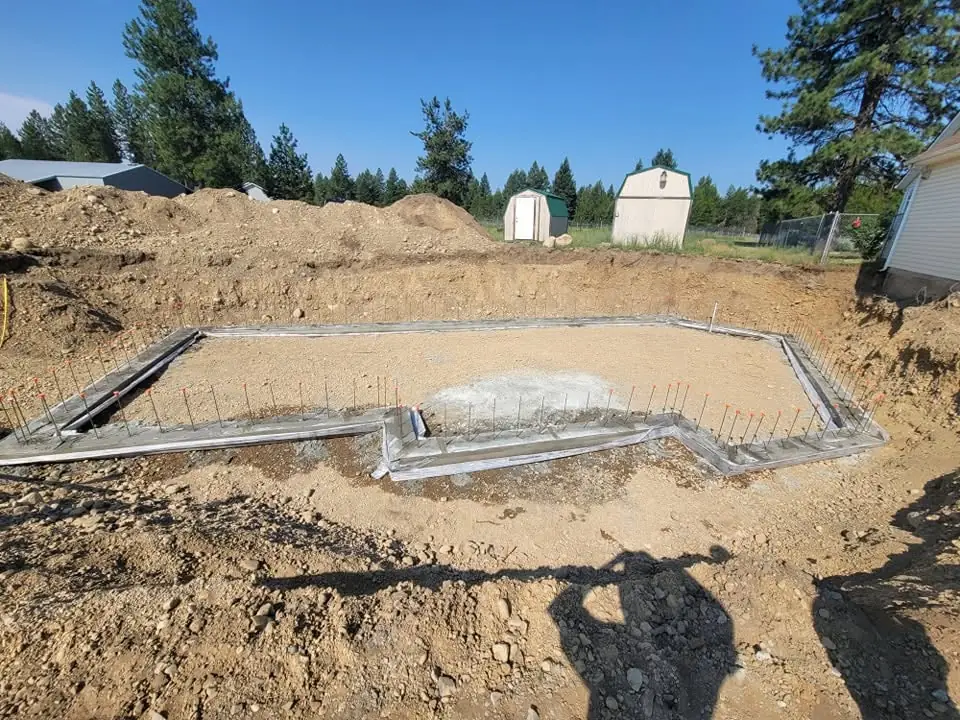
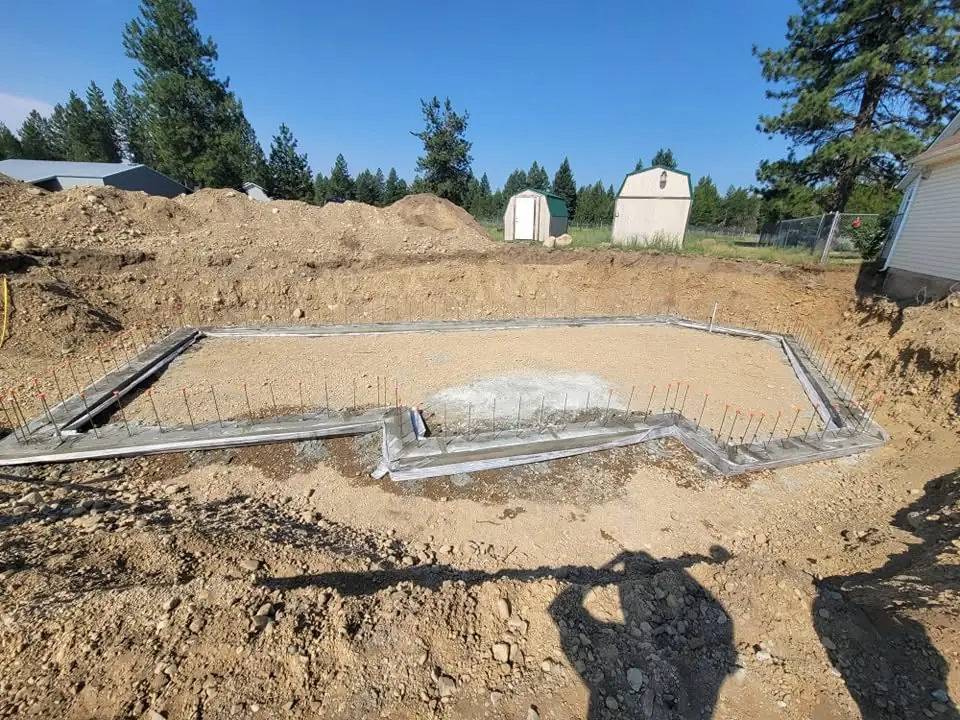
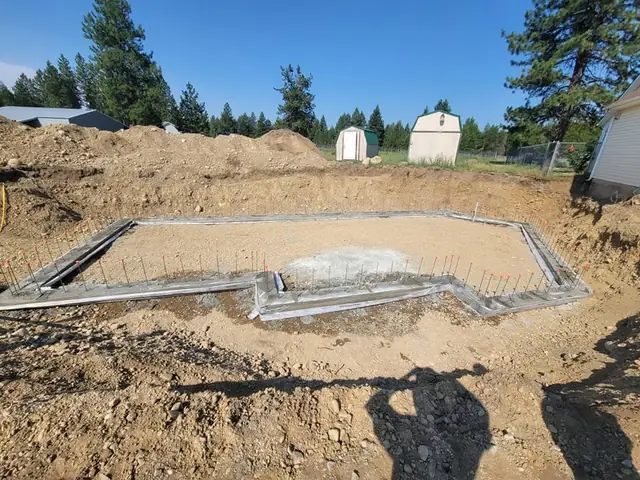
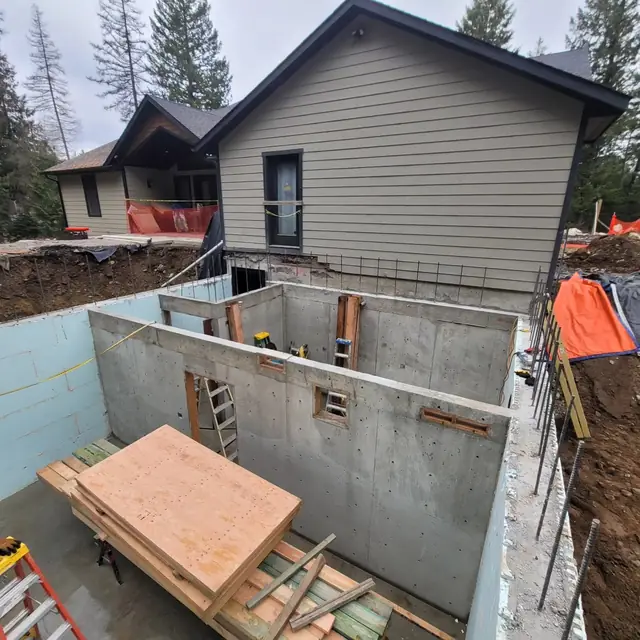
Poured concrete footings below the frost line for a basement addition in North Idaho

How Deep Do Basement Footings Need to Go?

Your footings need to sit below the local frost line, which in this part of North Idaho generally means at least 24 inches below final grade. Some sites require more, so confirm the exact number with the Bonner County Planning Department before your plans are final.


Here is why that depth matters so much. When wet soil freezes, it expands. And when it thaws, it settles back down. Repeat that cycle through a long winter and any footing sitting above the frost line starts to lift and drop along with the ground around it. Over time, foundation walls crack, slabs separate, and doors upstairs stop closing the way they should.


Reaching that depth takes real excavation instead of just a quick trench. That is why basement construction and remodels in this region almost always start with careful site work and excavation that accounts for your soil type, your drainage, and how equipment will physically reach the work area.

Can You Pour Concrete During a North Idaho Winter?

Yes, you can, as long as the concrete is protected while it cures. Cold weather does not shut a basement project down, but it absolutely changes how the pour gets handled.


The American Concrete Institute treats a job as cold weather concreting once air temperatures fall to 40°F or below during the curing window. Below that point, the chemical reaction that builds strength slows dramatically. On top of that, fresh concrete needs to reach roughly 500 psi before its first hard freeze. If it freezes sooner, expanding ice damages it from the inside and it never reaches full design strength.


A winter pour therefore needs a real plan: heated mix water, insulated blankets or a heated enclosure, and enough protected time before anything gets stripped. When you interview contractors, ask how they handle winter pours. Someone who does this regularly will answer quickly and specifically.

What Homeowners Want From a Basement in 2026

Rather than one dedicated rec room, homeowners want a floor that changes jobs: a quiet office on weekdays, a guest suite over the holidays, and a workout space in between. Flexible, multi-purpose space is what people are asking for right now.


That flexibility pays you back twice. You actually use the room, and you protect the investment. Nationally, converting a basement into a living area recovers about 71% of its cost at resale, according to the National Association of Realtors Remodeling Impact Report.


To make it work, a few things have to be designed in from day one:

  • Ceiling height that still feels open after ductwork and lighting go in
  • Plumbing rough-ins positioned for a future bathroom or wet bar
  • Sound insulation between the basement and the floor above
  • Layered lighting, since you cannot rely on windows down there
  • Egress windows if a bedroom is anywhere in your plans


Adding any of these later means opening up finished walls and ceilings. Planning them now costs a small fraction of that. If you are still deciding which project to tackle first, our guide to remodeling upgrades that add the most value in North Idaho homes compares your options side by side.

Finishes That Hold Up Below Grade

Warm, natural materials, such as clay and terracotta tones, real wood, and local stone, are leading basement design right now, and they happen to be the practical choice too.


The practical side matters more than the trend, though. Basements see humidity swings and temperature changes that painted drywall reveals fast. Wood and stone age into those conditions instead of simply looking worn. For flooring, tile and luxury vinyl plank handle a slab far better than carpet, which traps moisture and holds odor.

5 Steps to Take Before You Break Ground

Handle these 5 items first and you will avoid most of the expensive surprises:

  1. Submit an 811 locate ticket. As of January 1, 2026, locate requests in Bonner County are processed through Dig Safe North Idaho 811. The service is free, Idaho law requires it, and you must give at least 2 business days’ notice before you dig.
  2. Get your private lines marked separately. The 811 system only covers public utility lines running from the road to your meter. Lines you own, such as those feeding a shop, well pump, or septic system, go unmarked. On rural Bonner County property, a private underground locating service costs far less than one emergency repair.
  3. Check drainage and waterproofing first. Look for seepage, efflorescence on the walls, or a musty smell. Fix the water problem before you cover anything with finished surfaces.
  4. Confirm code requirements for the rooms you want. Bedrooms trigger egress window and ceiling height rules. Bathrooms trigger plumbing and venting requirements. Knowing this early keeps your layout realistic.
  5. Plan HVAC and electrical from the start. A finished basement adds real load to your system. Routing ducts and sizing your panel correctly up front prevents costly rework halfway through the build.

When Your Basement Project Includes Structural Work

Adding a bedroom, converting a crawl space, or extending your footprint downward all involve engineering, excavation, and load-bearing changes that need a licensed contractor and a permit.


Timing matters here more than most homeowners expect. Frozen ground in late fall and winter behaves like concrete, so it takes heavier equipment and more hours to move. Scheduling that work for the right window can meaningfully change your cost and your timeline.


Because these projects touch your home’s structure, they follow the same standards as additions and structural work above grade. If you have already noticed sloping floors, sticking doors, or stair-step cracks in the foundation, review the warning signs that your home needs structural attention before you start planning finishes.

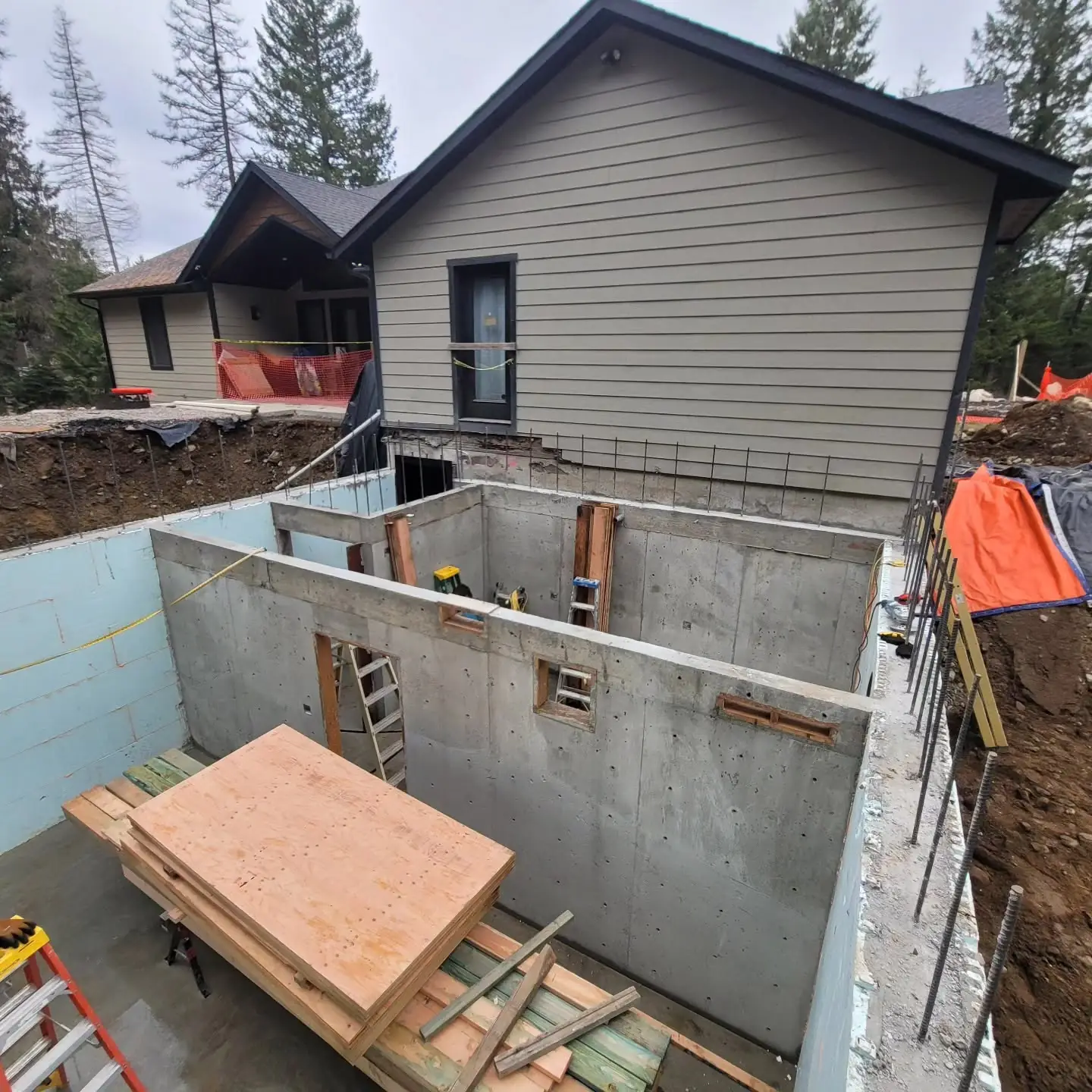
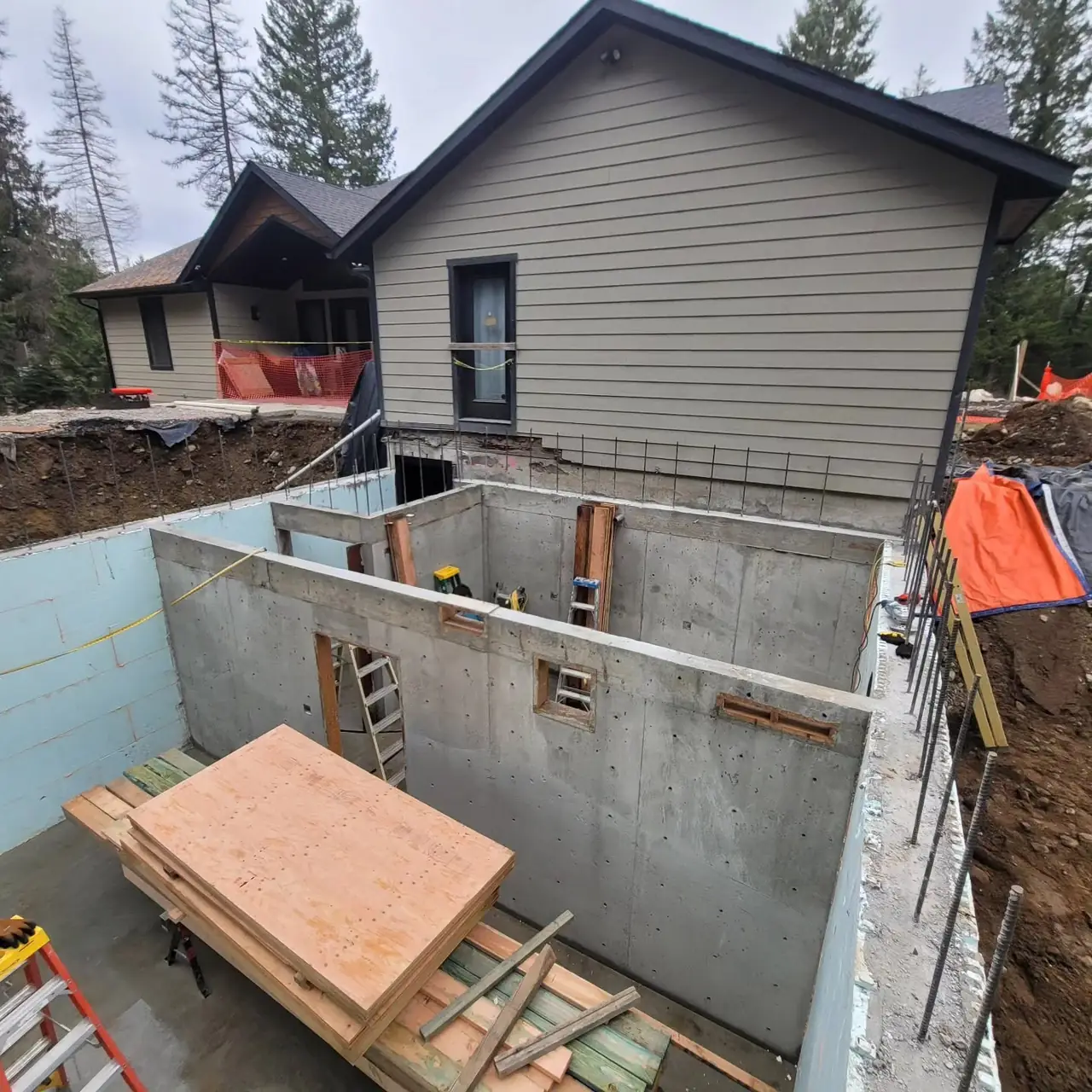
New basement foundation walls with exterior insulation poured next to an existing North Idaho home

FAQs About Basement Construction and Remodels

  • Do I need a permit to finish my basement in Bonner County?

    In most cases, yes. Any work involving electrical, plumbing, HVAC, or structural changes requires a permit and inspections. Unpermitted finished space is also a common reason appraisers exclude a basement from a home’s value at resale.

  • Does a finished basement count toward my home’s square footage?

    Not the way your main floor does. Appraisers list below-grade finished area separately from above-grade living area, and they typically value it lower per square foot. Walkout and daylight basements with real exterior access tend to appraise closer to the main floor rate.

  • How long does a basement remodel usually take?

    Most finished basement projects run several weeks to a few months, depending on scope. Adding a bathroom, egress window, or structural work extends that timeline, and so does permit review and inspection scheduling.

  • When is the best time of year to start a basement project?

    Late spring through early fall gives you the easiest excavation conditions. That said, interior finish work runs fine year-round, and winter pours are perfectly doable when the concrete is protected properly.

  • Does calling 811 cover the utility lines on my own property?

    No. The 811 system marks public lines up to your meter only. Anything past that point belongs to you and needs a separate private locating service before excavation begins.

Ready to Put Your Basement to Work?

Whether you are starting with bare concrete walls or replacing a finish that has not aged well, we build for North Idaho conditions and handle your project from design through completion.


Call Valhalla Construction LLC at (208) 691-6726 to talk through your basement plans and get your project on the schedule.

Recent Posts

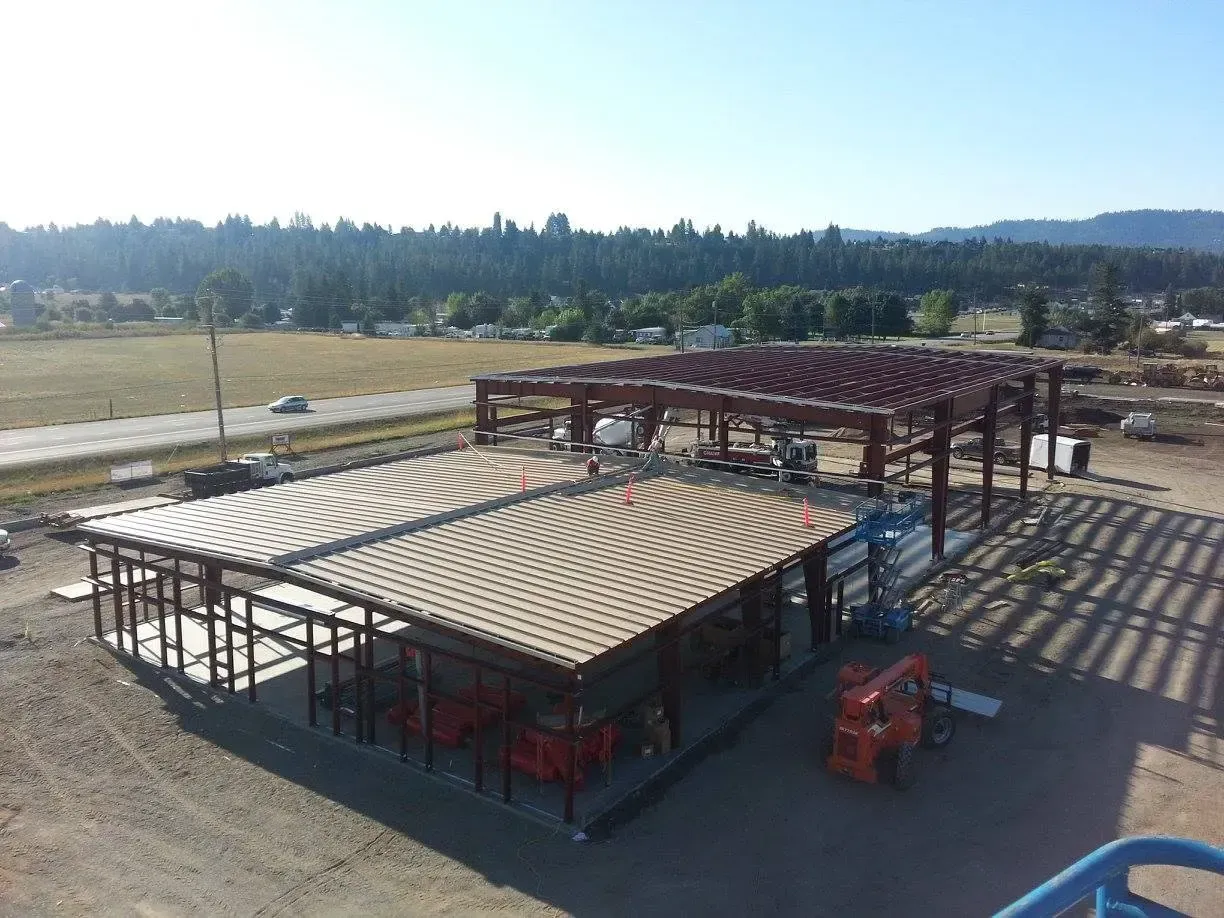
Pre-engineered steel building under construction on an open North Idaho site
August 15, 2026
Thinking about a pre-engineered steel building in North Idaho? See why they beat wood for snow, fire, and value in North Idaho. Call Valhalla today.
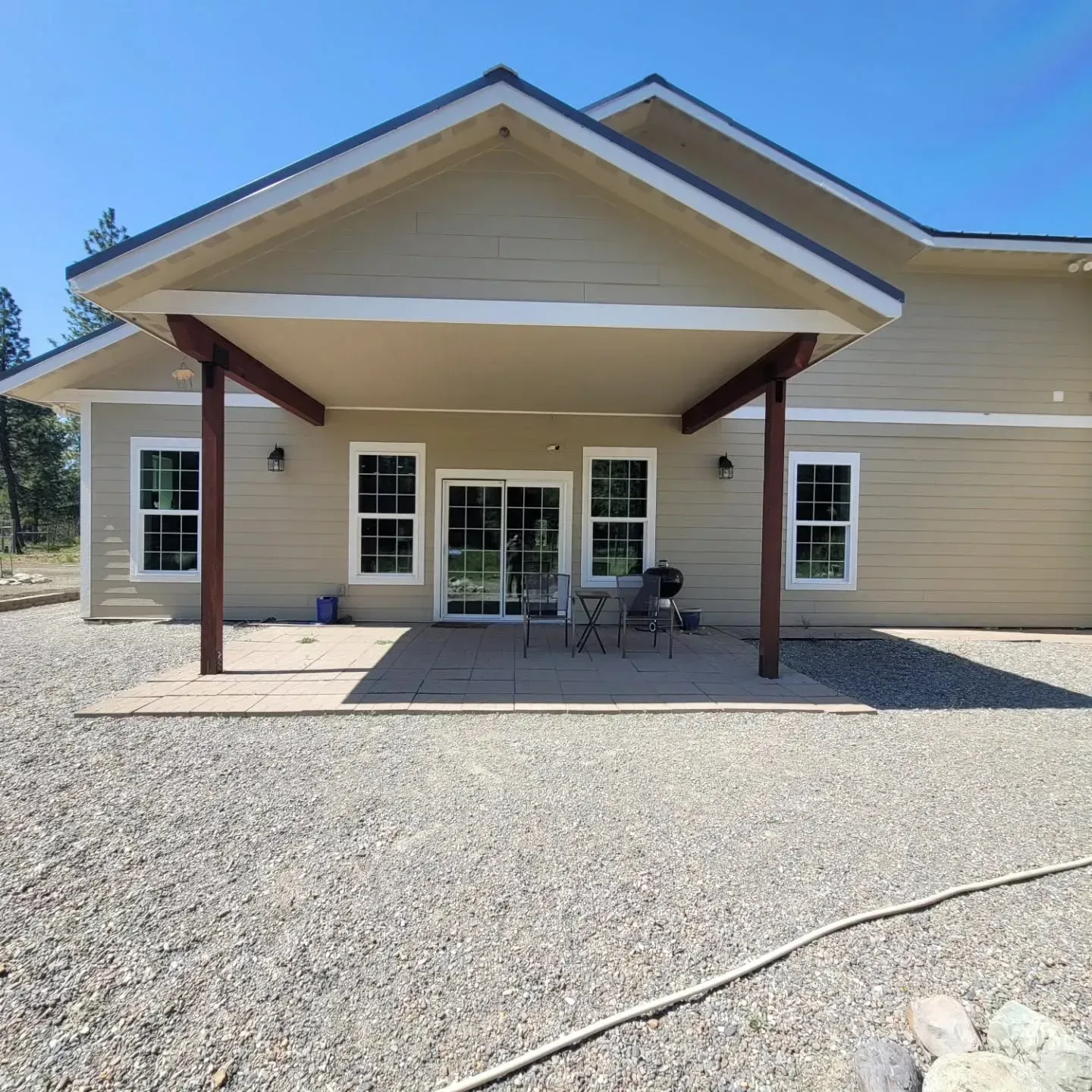
Custom home builder in North Idaho
July 24, 2026
Planning a custom home in North Idaho? Learn how land, building systems, design-build planning, and 2026 ADU rules affect cost, timing, and design.
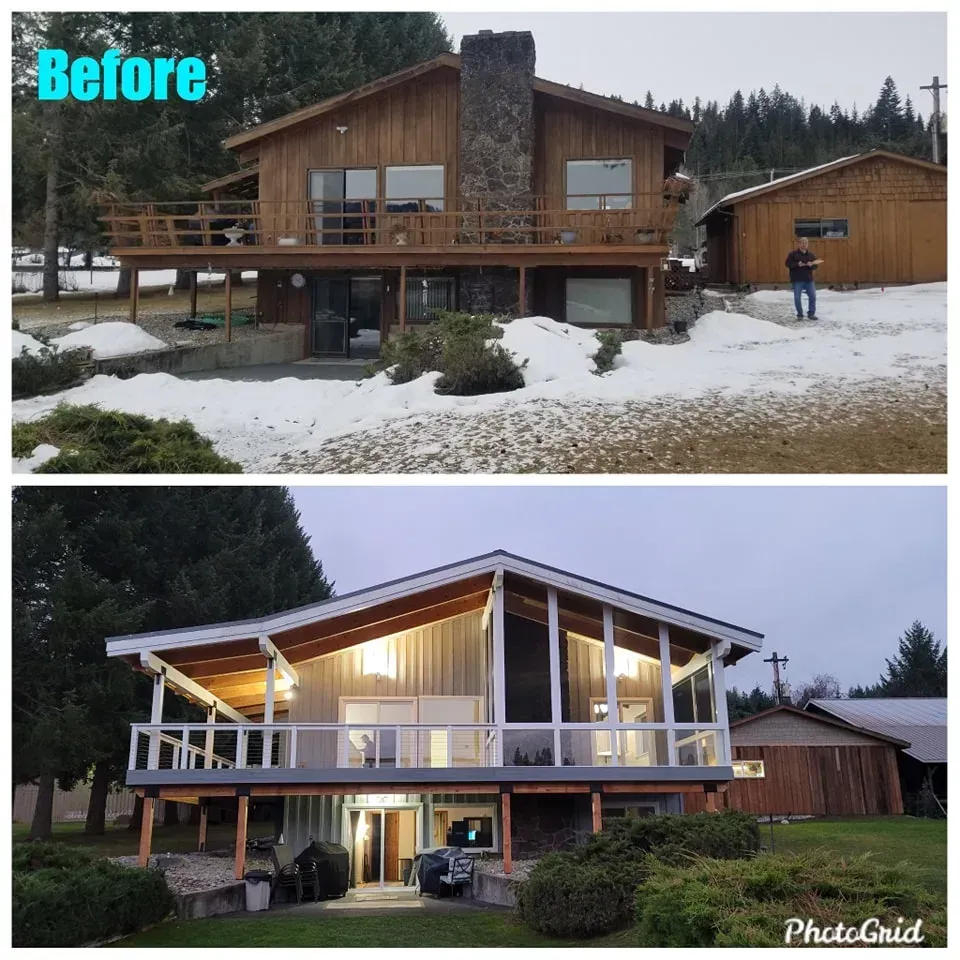
Before-and-after of a modern lake house.
June 29, 2026
Planning a whole house renovation in North Idaho? Learn about timelines, cost factors, planning steps, contractor selection, and what homeowners can expect.
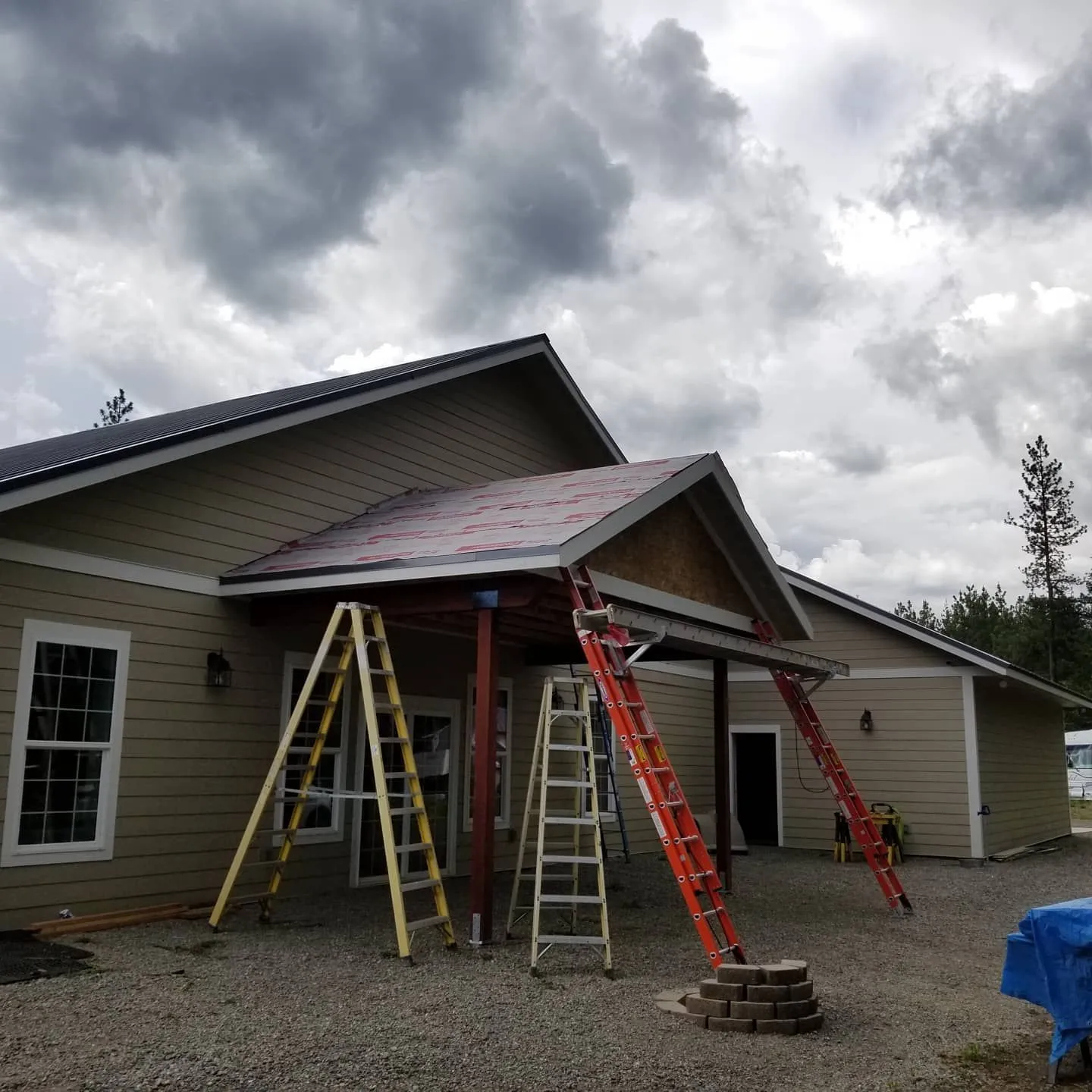
May 4, 2026
Upgrade your North Idaho home with Valhalla Construction LLC’s home remodeling services, from basements and additions to whole house makeovers.
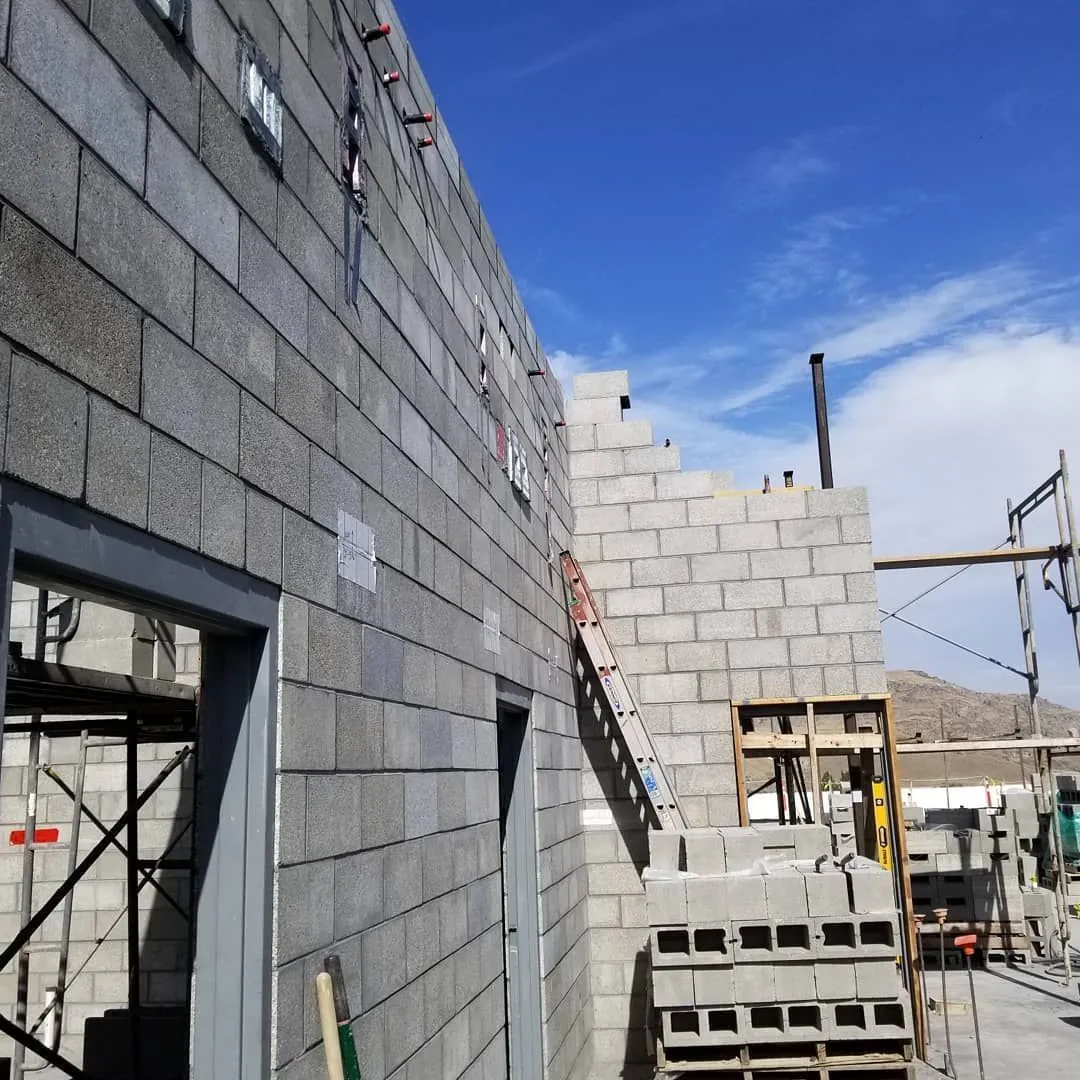
February 13, 2026
Protect your North Idaho home with Valhalla Construction LLC. Learn signs you need residential structural repair and professional structural additions.
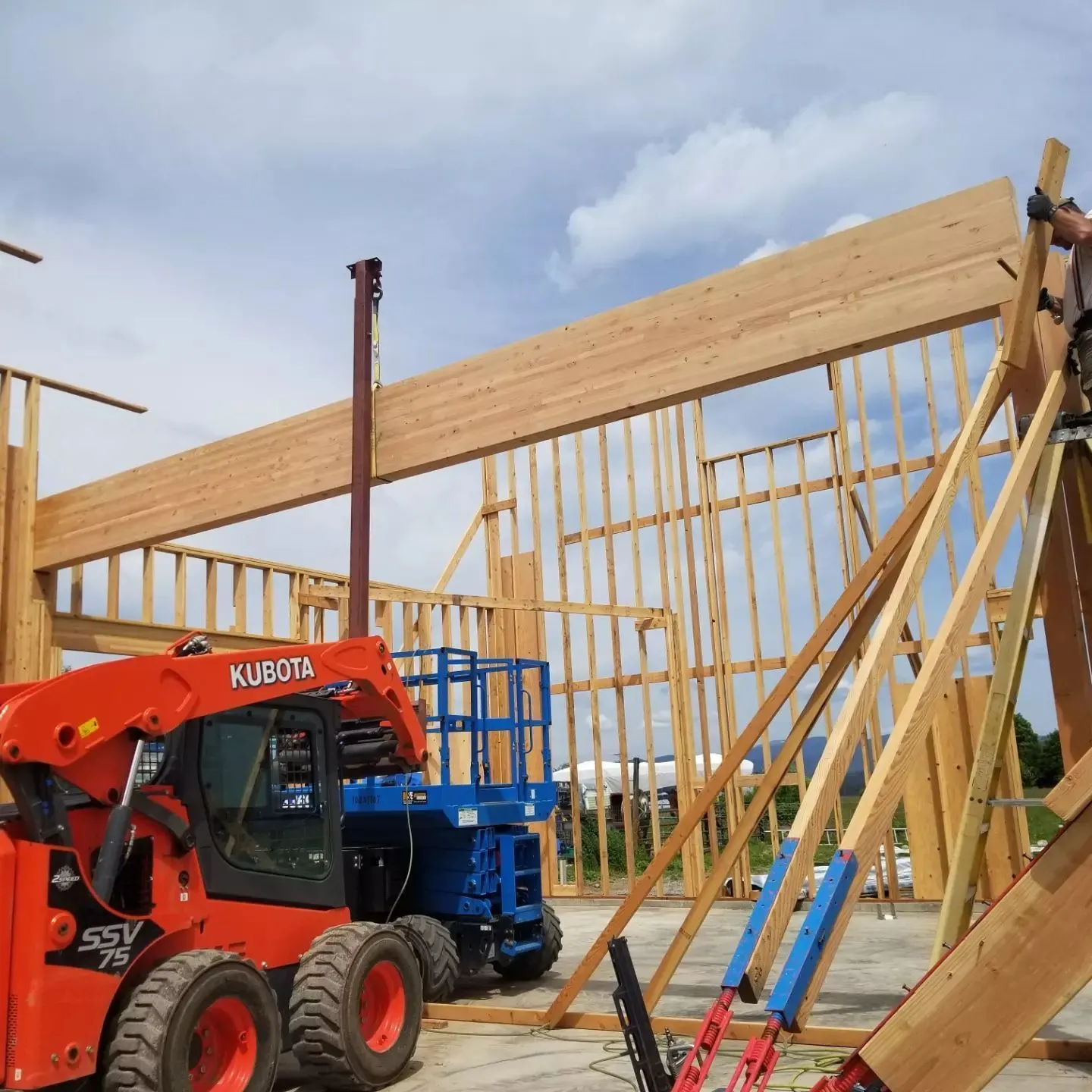
January 16, 2026
Learn how to choose the right residential construction company in North Idaho, including tips on experience, licensing, pricing, and hiring a trusted contractor.
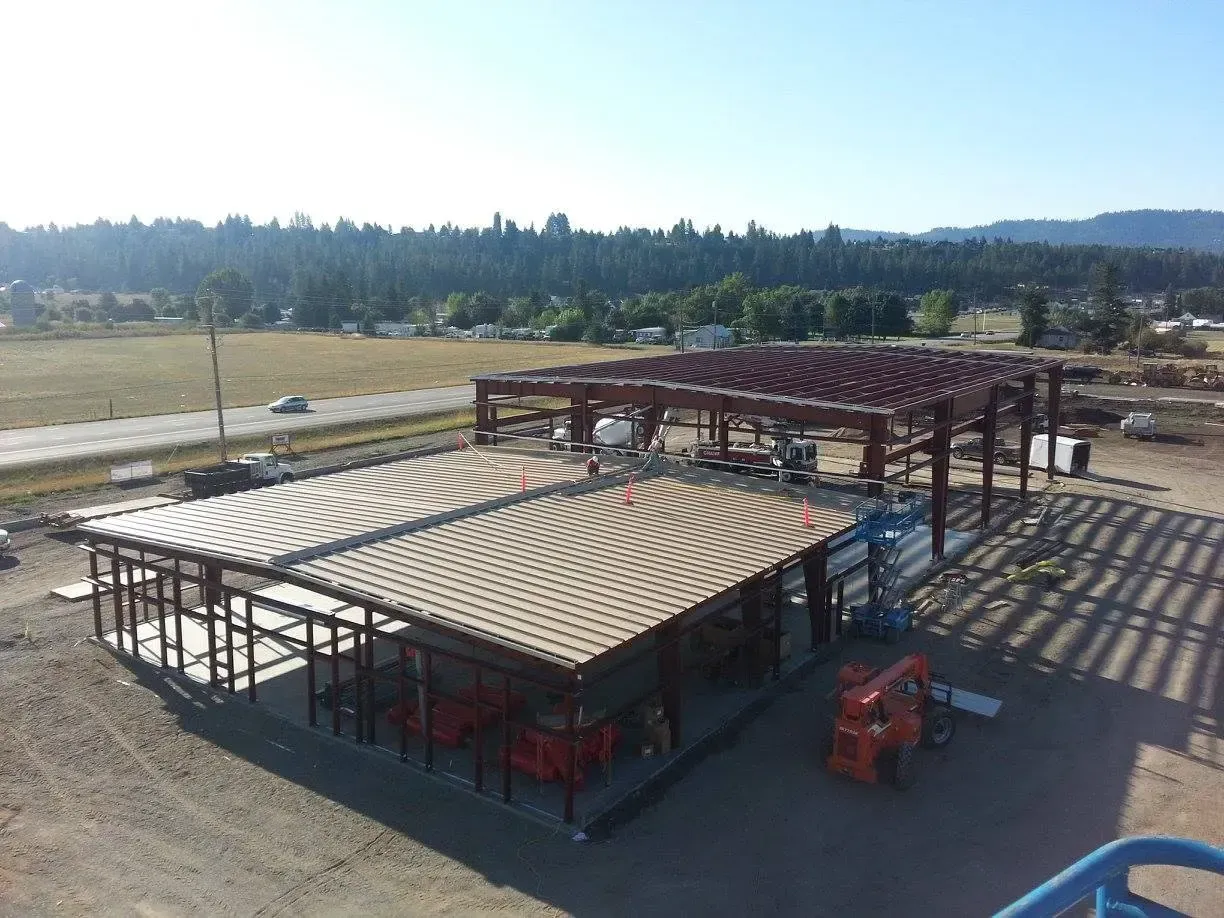
Pre-engineered steel building under construction on an open North Idaho site
August 15, 2026
Thinking about a pre-engineered steel building in North Idaho? See why they beat wood for snow, fire, and value in North Idaho. Call Valhalla today.
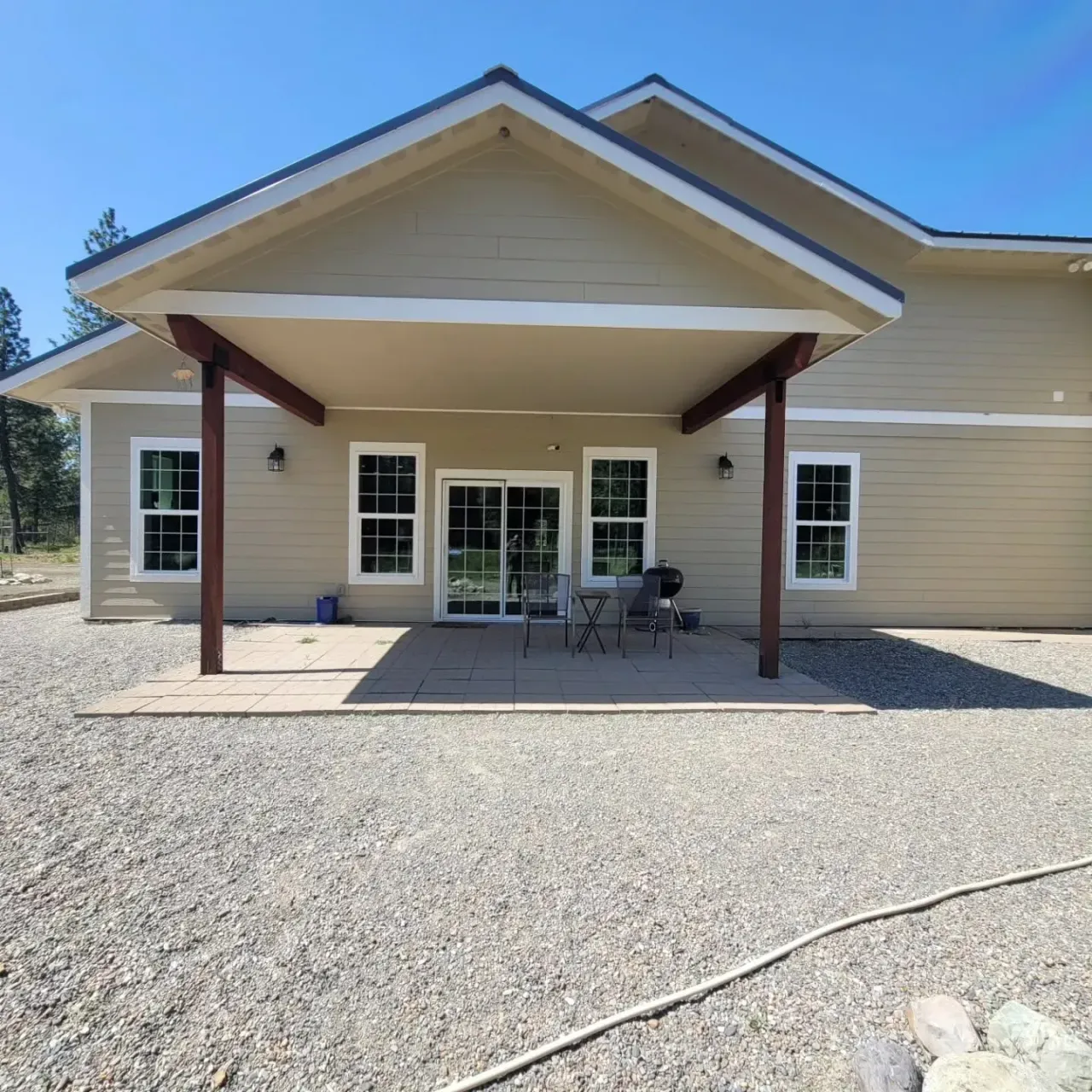
Custom home builder in North Idaho
July 24, 2026
Planning a custom home in North Idaho? Learn how land, building systems, design-build planning, and 2026 ADU rules affect cost, timing, and design.
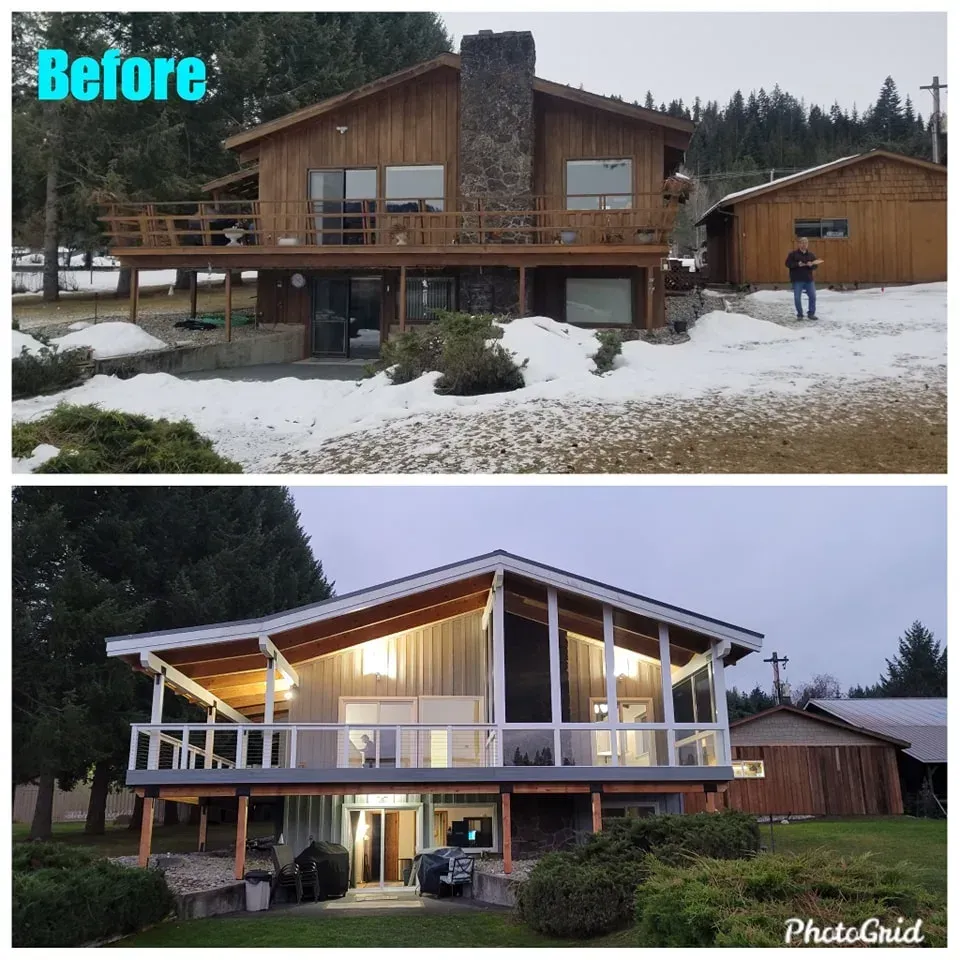
Before-and-after of a modern lake house.
June 29, 2026
Planning a whole house renovation in North Idaho? Learn about timelines, cost factors, planning steps, contractor selection, and what homeowners can expect.
May 4, 2026
Upgrade your North Idaho home with Valhalla Construction LLC’s home remodeling services, from basements and additions to whole house makeovers.
February 13, 2026
Protect your North Idaho home with Valhalla Construction LLC. Learn signs you need residential structural repair and professional structural additions.
January 16, 2026
Learn how to choose the right residential construction company in North Idaho, including tips on experience, licensing, pricing, and hiring a trusted contractor.
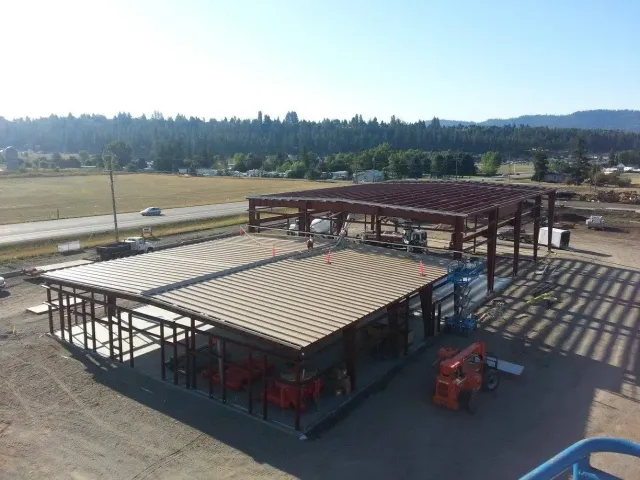
Pre-engineered steel building under construction on an open North Idaho site
August 15, 2026
Thinking about a pre-engineered steel building in North Idaho? See why they beat wood for snow, fire, and value in North Idaho. Call Valhalla today.
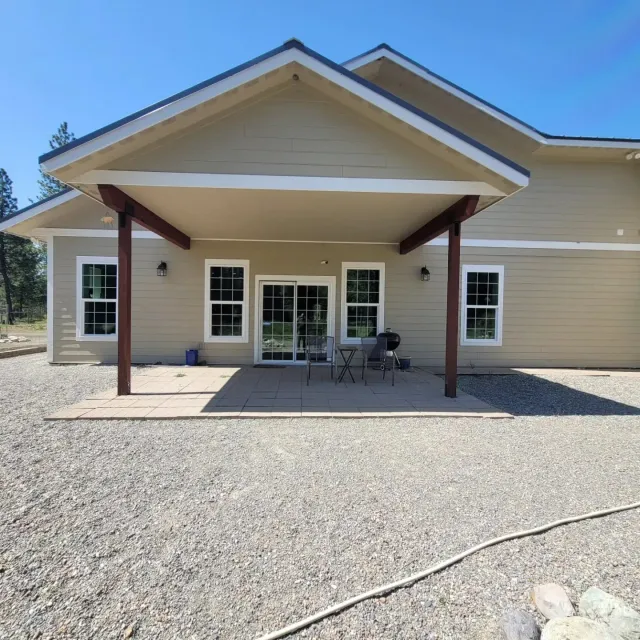
Custom home builder in North Idaho
July 24, 2026
Planning a custom home in North Idaho? Learn how land, building systems, design-build planning, and 2026 ADU rules affect cost, timing, and design.
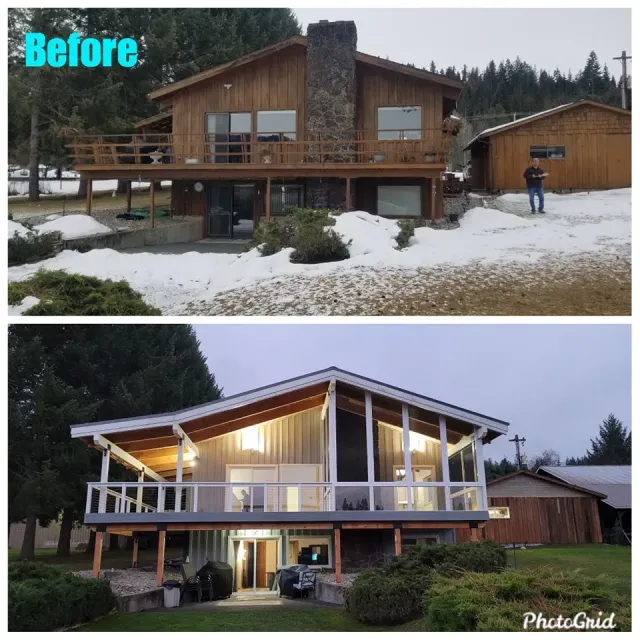
Before-and-after of a modern lake house.
June 29, 2026
Planning a whole house renovation in North Idaho? Learn about timelines, cost factors, planning steps, contractor selection, and what homeowners can expect.
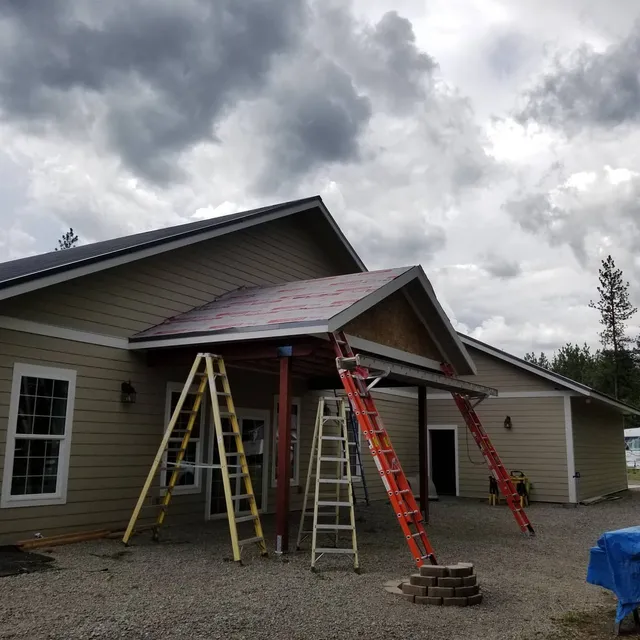
May 4, 2026
Upgrade your North Idaho home with Valhalla Construction LLC’s home remodeling services, from basements and additions to whole house makeovers.
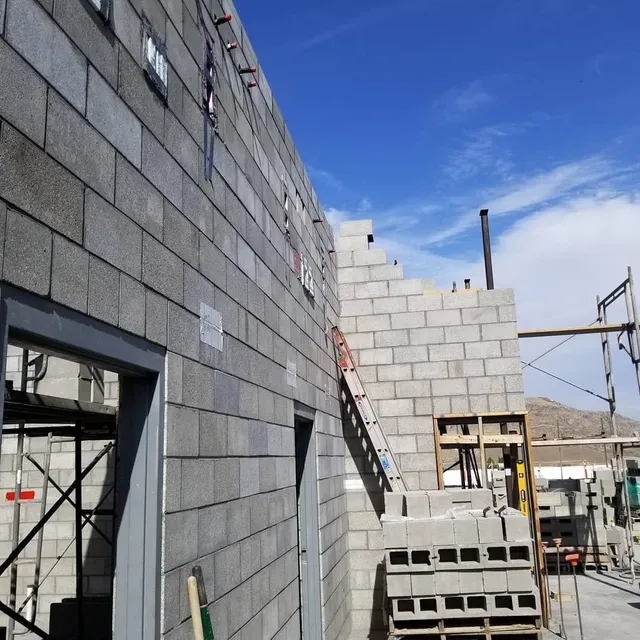
February 13, 2026
Protect your North Idaho home with Valhalla Construction LLC. Learn signs you need residential structural repair and professional structural additions.
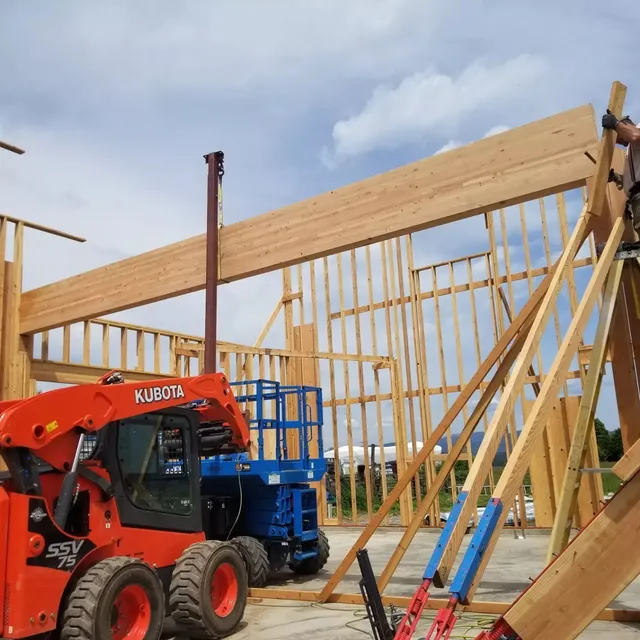
January 16, 2026
Learn how to choose the right residential construction company in North Idaho, including tips on experience, licensing, pricing, and hiring a trusted contractor.

Valhalla Construction LLC

A Homeowner’s Guide to Basement Construction and Remodels in Bonner County

Share this article

Basement construction and remodels in Bonner County, ID take a different approach than the same work in a milder climate. Your frost line runs deep, winter stretches long, and the soil shifts every time it freezes and thaws. Because of that, what happens below grade matters more here than almost anywhere else in your home.


Valhalla Construction LLC is a veteran-owned, design-build contractor that has served North Idaho homeowners since 2013. Below, we walk you through the depth requirements, the seasonal timing, the design trends worth following, and the steps that protect your budget before anyone starts digging.

Poured concrete footings below the frost line for a basement addition in North Idaho

How Deep Do Basement Footings Need to Go?

Your footings need to sit below the local frost line, which in this part of North Idaho generally means at least 24 inches below final grade. Some sites require more, so confirm the exact number with the Bonner County Planning Department before your plans are final.


Here is why that depth matters so much. When wet soil freezes, it expands. And when it thaws, it settles back down. Repeat that cycle through a long winter and any footing sitting above the frost line starts to lift and drop along with the ground around it. Over time, foundation walls crack, slabs separate, and doors upstairs stop closing the way they should.


Reaching that depth takes real excavation instead of just a quick trench. That is why basement construction and remodels in this region almost always start with careful site work and excavation that accounts for your soil type, your drainage, and how equipment will physically reach the work area.

Can You Pour Concrete During a North Idaho Winter?

Yes, you can, as long as the concrete is protected while it cures. Cold weather does not shut a basement project down, but it absolutely changes how the pour gets handled.


The American Concrete Institute treats a job as cold weather concreting once air temperatures fall to 40°F or below during the curing window. Below that point, the chemical reaction that builds strength slows dramatically. On top of that, fresh concrete needs to reach roughly 500 psi before its first hard freeze. If it freezes sooner, expanding ice damages it from the inside and it never reaches full design strength.


A winter pour therefore needs a real plan: heated mix water, insulated blankets or a heated enclosure, and enough protected time before anything gets stripped. When you interview contractors, ask how they handle winter pours. Someone who does this regularly will answer quickly and specifically.

What Homeowners Want From a Basement in 2026

Rather than one dedicated rec room, homeowners want a floor that changes jobs: a quiet office on weekdays, a guest suite over the holidays, and a workout space in between. Flexible, multi-purpose space is what people are asking for right now.


That flexibility pays you back twice. You actually use the room, and you protect the investment. Nationally, converting a basement into a living area recovers about 71% of its cost at resale, according to the National Association of Realtors Remodeling Impact Report.


To make it work, a few things have to be designed in from day one:

  • Ceiling height that still feels open after ductwork and lighting go in
  • Plumbing rough-ins positioned for a future bathroom or wet bar
  • Sound insulation between the basement and the floor above
  • Layered lighting, since you cannot rely on windows down there
  • Egress windows if a bedroom is anywhere in your plans


Adding any of these later means opening up finished walls and ceilings. Planning them now costs a small fraction of that. If you are still deciding which project to tackle first, our guide to remodeling upgrades that add the most value in North Idaho homes compares your options side by side.

Finishes That Hold Up Below Grade

Warm, natural materials, such as clay and terracotta tones, real wood, and local stone, are leading basement design right now, and they happen to be the practical choice too.


The practical side matters more than the trend, though. Basements see humidity swings and temperature changes that painted drywall reveals fast. Wood and stone age into those conditions instead of simply looking worn. For flooring, tile and luxury vinyl plank handle a slab far better than carpet, which traps moisture and holds odor.

5 Steps to Take Before You Break Ground

Handle these 5 items first and you will avoid most of the expensive surprises:

  1. Submit an 811 locate ticket. As of January 1, 2026, locate requests in Bonner County are processed through Dig Safe North Idaho 811. The service is free, Idaho law requires it, and you must give at least 2 business days’ notice before you dig.
  2. Get your private lines marked separately. The 811 system only covers public utility lines running from the road to your meter. Lines you own, such as those feeding a shop, well pump, or septic system, go unmarked. On rural Bonner County property, a private underground locating service costs far less than one emergency repair.
  3. Check drainage and waterproofing first. Look for seepage, efflorescence on the walls, or a musty smell. Fix the water problem before you cover anything with finished surfaces.
  4. Confirm code requirements for the rooms you want. Bedrooms trigger egress window and ceiling height rules. Bathrooms trigger plumbing and venting requirements. Knowing this early keeps your layout realistic.
  5. Plan HVAC and electrical from the start. A finished basement adds real load to your system. Routing ducts and sizing your panel correctly up front prevents costly rework halfway through the build.

When Your Basement Project Includes Structural Work

Adding a bedroom, converting a crawl space, or extending your footprint downward all involve engineering, excavation, and load-bearing changes that need a licensed contractor and a permit.


Timing matters here more than most homeowners expect. Frozen ground in late fall and winter behaves like concrete, so it takes heavier equipment and more hours to move. Scheduling that work for the right window can meaningfully change your cost and your timeline.


Because these projects touch your home’s structure, they follow the same standards as additions and structural work above grade. If you have already noticed sloping floors, sticking doors, or stair-step cracks in the foundation, review the warning signs that your home needs structural attention before you start planning finishes.

New basement foundation walls with exterior insulation poured next to an existing North Idaho home

FAQs About Basement Construction and Remodels

  • Do I need a permit to finish my basement in Bonner County?

    In most cases, yes. Any work involving electrical, plumbing, HVAC, or structural changes requires a permit and inspections. Unpermitted finished space is also a common reason appraisers exclude a basement from a home’s value at resale.

  • Does a finished basement count toward my home’s square footage?

    Not the way your main floor does. Appraisers list below-grade finished area separately from above-grade living area, and they typically value it lower per square foot. Walkout and daylight basements with real exterior access tend to appraise closer to the main floor rate.

  • How long does a basement remodel usually take?

    Most finished basement projects run several weeks to a few months, depending on scope. Adding a bathroom, egress window, or structural work extends that timeline, and so does permit review and inspection scheduling.

  • When is the best time of year to start a basement project?

    Late spring through early fall gives you the easiest excavation conditions. That said, interior finish work runs fine year-round, and winter pours are perfectly doable when the concrete is protected properly.

  • Does calling 811 cover the utility lines on my own property?

    No. The 811 system marks public lines up to your meter only. Anything past that point belongs to you and needs a separate private locating service before excavation begins.

Ready to Put Your Basement to Work?

Whether you are starting with bare concrete walls or replacing a finish that has not aged well, we build for North Idaho conditions and handle your project from design through completion.


Call Valhalla Construction LLC at (208) 691-6726 to talk through your basement plans and get your project on the schedule.

Recent Posts

Pre-engineered steel building under construction on an open North Idaho site
August 15, 2026
Thinking about a pre-engineered steel building in North Idaho? See why they beat wood for snow, fire, and value in North Idaho. Call Valhalla today.
Custom home builder in North Idaho
July 24, 2026
Planning a custom home in North Idaho? Learn how land, building systems, design-build planning, and 2026 ADU rules affect cost, timing, and design.
Before-and-after of a modern lake house.
June 29, 2026
Planning a whole house renovation in North Idaho? Learn about timelines, cost factors, planning steps, contractor selection, and what homeowners can expect.
May 4, 2026
Upgrade your North Idaho home with Valhalla Construction LLC’s home remodeling services, from basements and additions to whole house makeovers.
February 13, 2026
Protect your North Idaho home with Valhalla Construction LLC. Learn signs you need residential structural repair and professional structural additions.
January 16, 2026
Learn how to choose the right residential construction company in North Idaho, including tips on experience, licensing, pricing, and hiring a trusted contractor.

Valhalla Construction LLC

A Homeowner’s Guide to Basement Construction and Remodels in Bonner County

Share this article

Basement construction and remodels in Bonner County, ID take a different approach than the same work in a milder climate. Your frost line runs deep, winter stretches long, and the soil shifts every time it freezes and thaws. Because of that, what happens below grade matters more here than almost anywhere else in your home.


Valhalla Construction LLC is a veteran-owned, design-build contractor that has served North Idaho homeowners since 2013. Below, we walk you through the depth requirements, the seasonal timing, the design trends worth following, and the steps that protect your budget before anyone starts digging.

Poured concrete footings below the frost line for a basement addition in North Idaho

How Deep Do Basement Footings Need to Go?

Your footings need to sit below the local frost line, which in this part of North Idaho generally means at least 24 inches below final grade. Some sites require more, so confirm the exact number with the Bonner County Planning Department before your plans are final.


Here is why that depth matters so much. When wet soil freezes, it expands. And when it thaws, it settles back down. Repeat that cycle through a long winter and any footing sitting above the frost line starts to lift and drop along with the ground around it. Over time, foundation walls crack, slabs separate, and doors upstairs stop closing the way they should.


Reaching that depth takes real excavation instead of just a quick trench. That is why basement construction and remodels in this region almost always start with careful site work and excavation that accounts for your soil type, your drainage, and how equipment will physically reach the work area.

Can You Pour Concrete During a North Idaho Winter?

Yes, you can, as long as the concrete is protected while it cures. Cold weather does not shut a basement project down, but it absolutely changes how the pour gets handled.


The American Concrete Institute treats a job as cold weather concreting once air temperatures fall to 40°F or below during the curing window. Below that point, the chemical reaction that builds strength slows dramatically. On top of that, fresh concrete needs to reach roughly 500 psi before its first hard freeze. If it freezes sooner, expanding ice damages it from the inside and it never reaches full design strength.


A winter pour therefore needs a real plan: heated mix water, insulated blankets or a heated enclosure, and enough protected time before anything gets stripped. When you interview contractors, ask how they handle winter pours. Someone who does this regularly will answer quickly and specifically.

What Homeowners Want From a Basement in 2026

Rather than one dedicated rec room, homeowners want a floor that changes jobs: a quiet office on weekdays, a guest suite over the holidays, and a workout space in between. Flexible, multi-purpose space is what people are asking for right now.


That flexibility pays you back twice. You actually use the room, and you protect the investment. Nationally, converting a basement into a living area recovers about 71% of its cost at resale, according to the National Association of Realtors Remodeling Impact Report.


To make it work, a few things have to be designed in from day one:

  • Ceiling height that still feels open after ductwork and lighting go in
  • Plumbing rough-ins positioned for a future bathroom or wet bar
  • Sound insulation between the basement and the floor above
  • Layered lighting, since you cannot rely on windows down there
  • Egress windows if a bedroom is anywhere in your plans


Adding any of these later means opening up finished walls and ceilings. Planning them now costs a small fraction of that. If you are still deciding which project to tackle first, our guide to remodeling upgrades that add the most value in North Idaho homes compares your options side by side.

Finishes That Hold Up Below Grade

Warm, natural materials, such as clay and terracotta tones, real wood, and local stone, are leading basement design right now, and they happen to be the practical choice too.


The practical side matters more than the trend, though. Basements see humidity swings and temperature changes that painted drywall reveals fast. Wood and stone age into those conditions instead of simply looking worn. For flooring, tile and luxury vinyl plank handle a slab far better than carpet, which traps moisture and holds odor.

5 Steps to Take Before You Break Ground

Handle these 5 items first and you will avoid most of the expensive surprises:

  1. Submit an 811 locate ticket. As of January 1, 2026, locate requests in Bonner County are processed through Dig Safe North Idaho 811. The service is free, Idaho law requires it, and you must give at least 2 business days’ notice before you dig.
  2. Get your private lines marked separately. The 811 system only covers public utility lines running from the road to your meter. Lines you own, such as those feeding a shop, well pump, or septic system, go unmarked. On rural Bonner County property, a private underground locating service costs far less than one emergency repair.
  3. Check drainage and waterproofing first. Look for seepage, efflorescence on the walls, or a musty smell. Fix the water problem before you cover anything with finished surfaces.
  4. Confirm code requirements for the rooms you want. Bedrooms trigger egress window and ceiling height rules. Bathrooms trigger plumbing and venting requirements. Knowing this early keeps your layout realistic.
  5. Plan HVAC and electrical from the start. A finished basement adds real load to your system. Routing ducts and sizing your panel correctly up front prevents costly rework halfway through the build.

When Your Basement Project Includes Structural Work

Adding a bedroom, converting a crawl space, or extending your footprint downward all involve engineering, excavation, and load-bearing changes that need a licensed contractor and a permit.


Timing matters here more than most homeowners expect. Frozen ground in late fall and winter behaves like concrete, so it takes heavier equipment and more hours to move. Scheduling that work for the right window can meaningfully change your cost and your timeline.


Because these projects touch your home’s structure, they follow the same standards as additions and structural work above grade. If you have already noticed sloping floors, sticking doors, or stair-step cracks in the foundation, review the warning signs that your home needs structural attention before you start planning finishes.

New basement foundation walls with exterior insulation poured next to an existing North Idaho home

FAQs About Basement Construction and Remodels

  • Do I need a permit to finish my basement in Bonner County?

    In most cases, yes. Any work involving electrical, plumbing, HVAC, or structural changes requires a permit and inspections. Unpermitted finished space is also a common reason appraisers exclude a basement from a home’s value at resale.

  • Does a finished basement count toward my home’s square footage?

    Not the way your main floor does. Appraisers list below-grade finished area separately from above-grade living area, and they typically value it lower per square foot. Walkout and daylight basements with real exterior access tend to appraise closer to the main floor rate.

  • How long does a basement remodel usually take?

    Most finished basement projects run several weeks to a few months, depending on scope. Adding a bathroom, egress window, or structural work extends that timeline, and so does permit review and inspection scheduling.

  • When is the best time of year to start a basement project?

    Late spring through early fall gives you the easiest excavation conditions. That said, interior finish work runs fine year-round, and winter pours are perfectly doable when the concrete is protected properly.

  • Does calling 811 cover the utility lines on my own property?

    No. The 811 system marks public lines up to your meter only. Anything past that point belongs to you and needs a separate private locating service before excavation begins.

Ready to Put Your Basement to Work?

Whether you are starting with bare concrete walls or replacing a finish that has not aged well, we build for North Idaho conditions and handle your project from design through completion.


Call Valhalla Construction LLC at (208) 691-6726 to talk through your basement plans and get your project on the schedule.

Recent Posts

Pre-engineered steel building under construction on an open North Idaho site
August 15, 2026
Thinking about a pre-engineered steel building in North Idaho? See why they beat wood for snow, fire, and value in North Idaho. Call Valhalla today.
Custom home builder in North Idaho
July 24, 2026
Planning a custom home in North Idaho? Learn how land, building systems, design-build planning, and 2026 ADU rules affect cost, timing, and design.
Before-and-after of a modern lake house.
June 29, 2026
Planning a whole house renovation in North Idaho? Learn about timelines, cost factors, planning steps, contractor selection, and what homeowners can expect.
May 4, 2026
Upgrade your North Idaho home with Valhalla Construction LLC’s home remodeling services, from basements and additions to whole house makeovers.
February 13, 2026
Protect your North Idaho home with Valhalla Construction LLC. Learn signs you need residential structural repair and professional structural additions.
January 16, 2026
Learn how to choose the right residential construction company in North Idaho, including tips on experience, licensing, pricing, and hiring a trusted contractor.