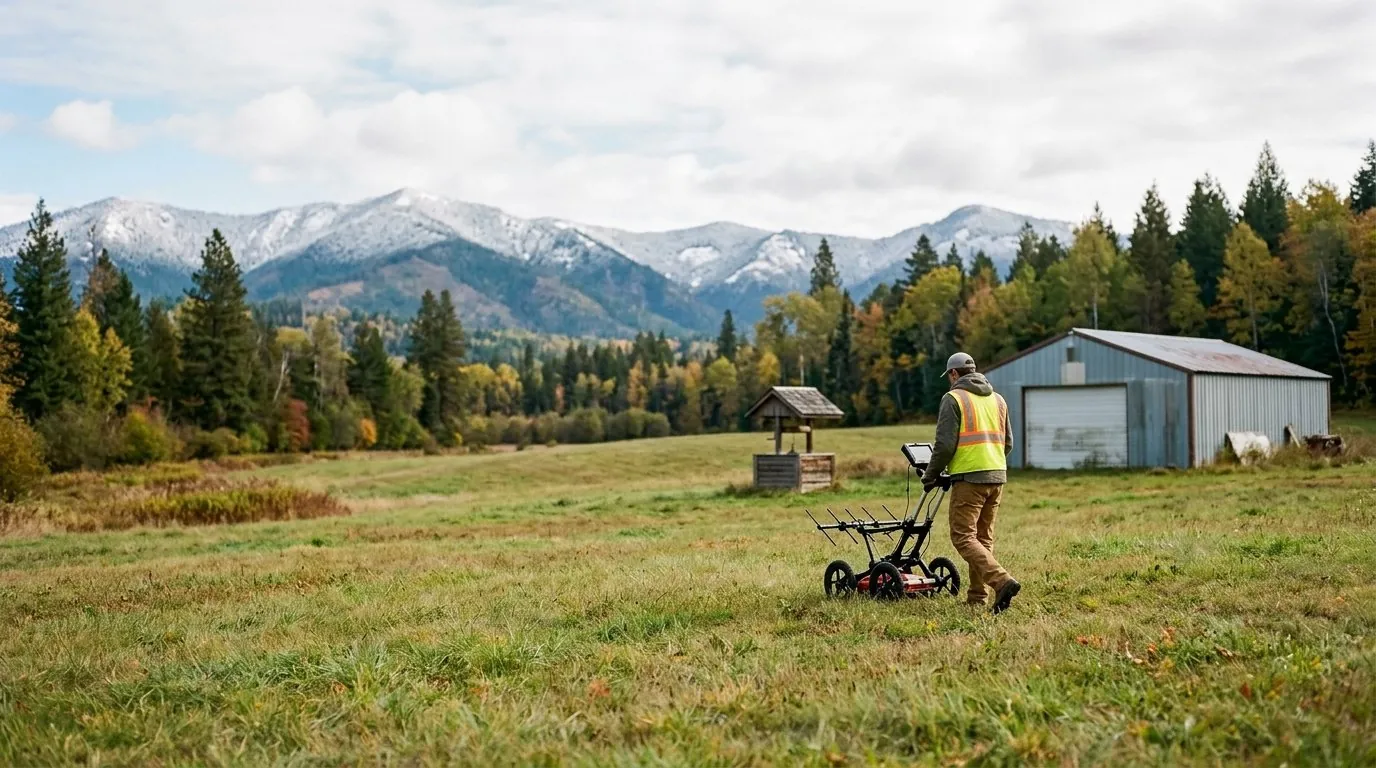
Calling 811 only marks public lines. See why underground utility locating protects your well, septic, and propane runs before you dig in Bonner County.
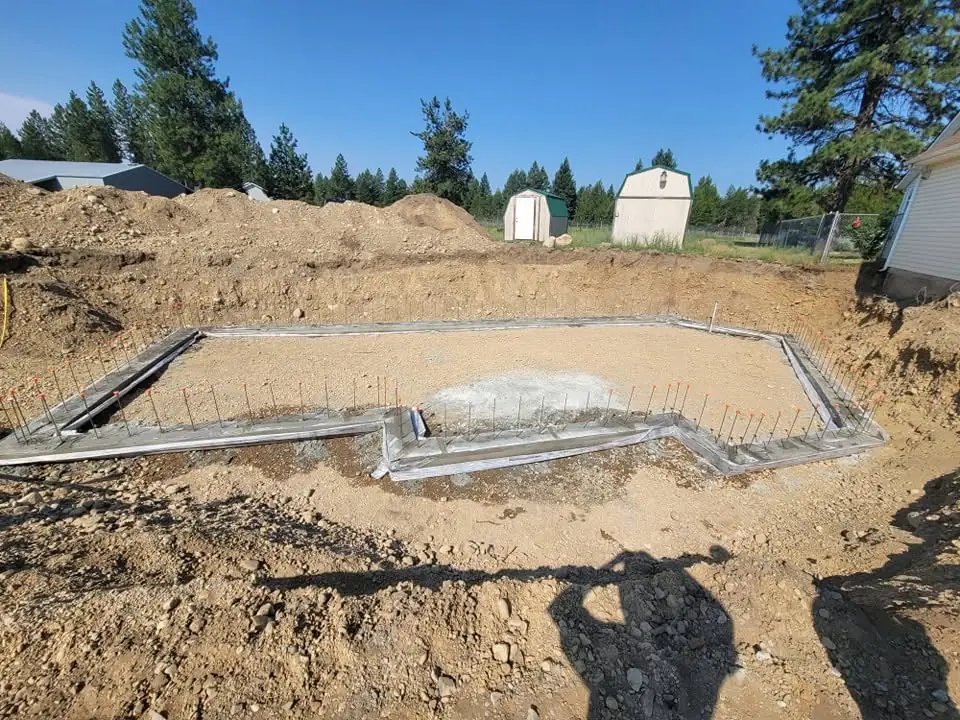
Planning basement construction and remodels in Bonner County, ID? Learn frost line depths, winter pours, 2026 permit steps, and design trends.
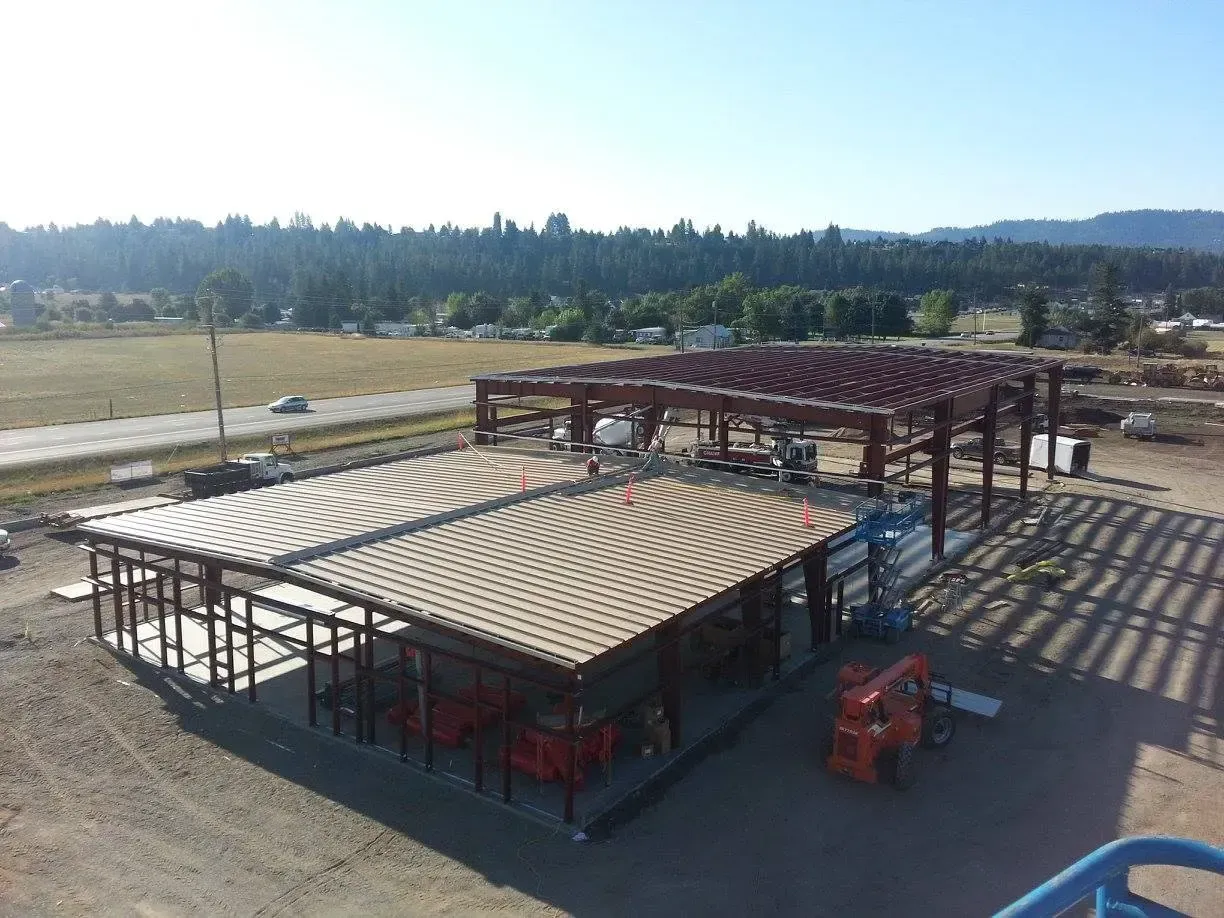
Thinking about a pre-engineered steel building in North Idaho? See why they beat wood for snow, fire, and value in North Idaho. Call Valhalla today.
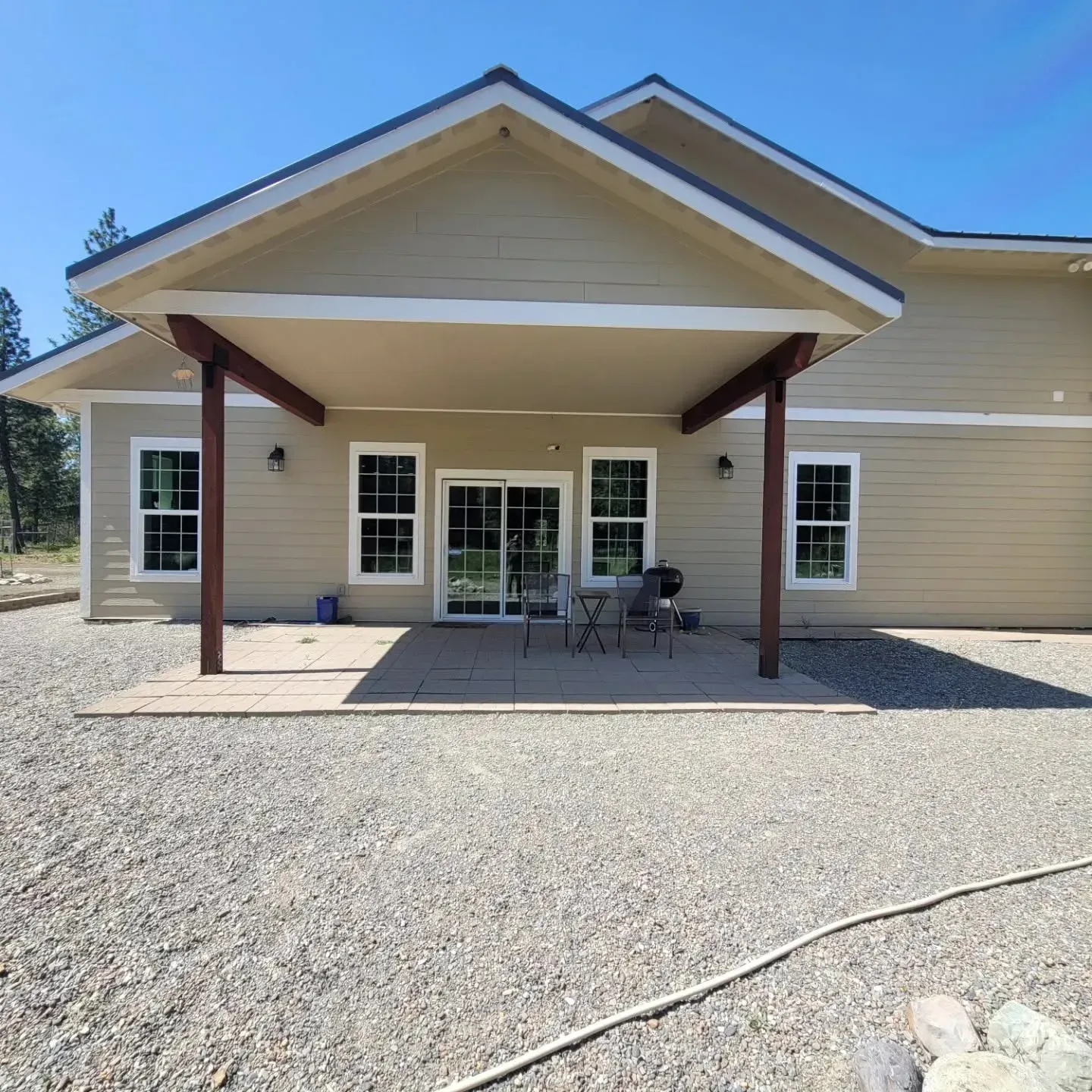
Planning a custom home in North Idaho? Learn how land, building systems, design-build planning, and 2026 ADU rules affect cost, timing, and design.
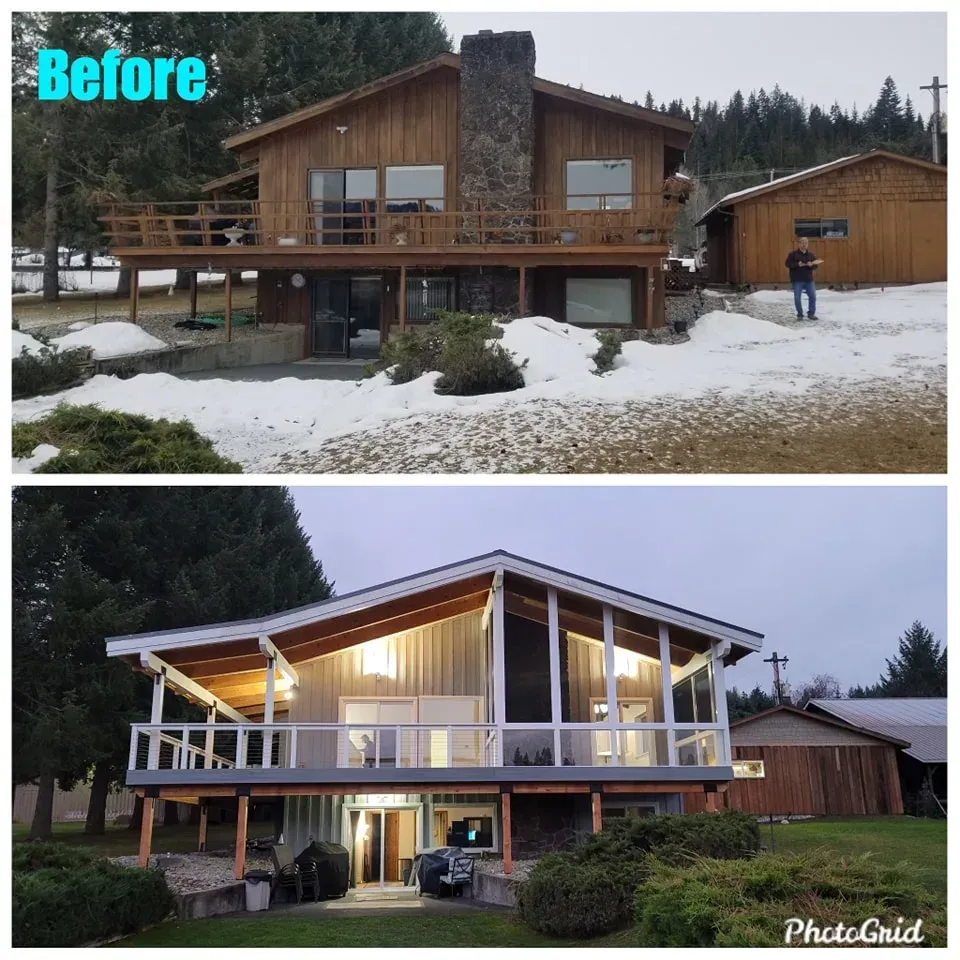
Planning a whole house renovation in North Idaho? Learn about timelines, cost factors, planning steps, contractor selection, and what homeowners can expect.
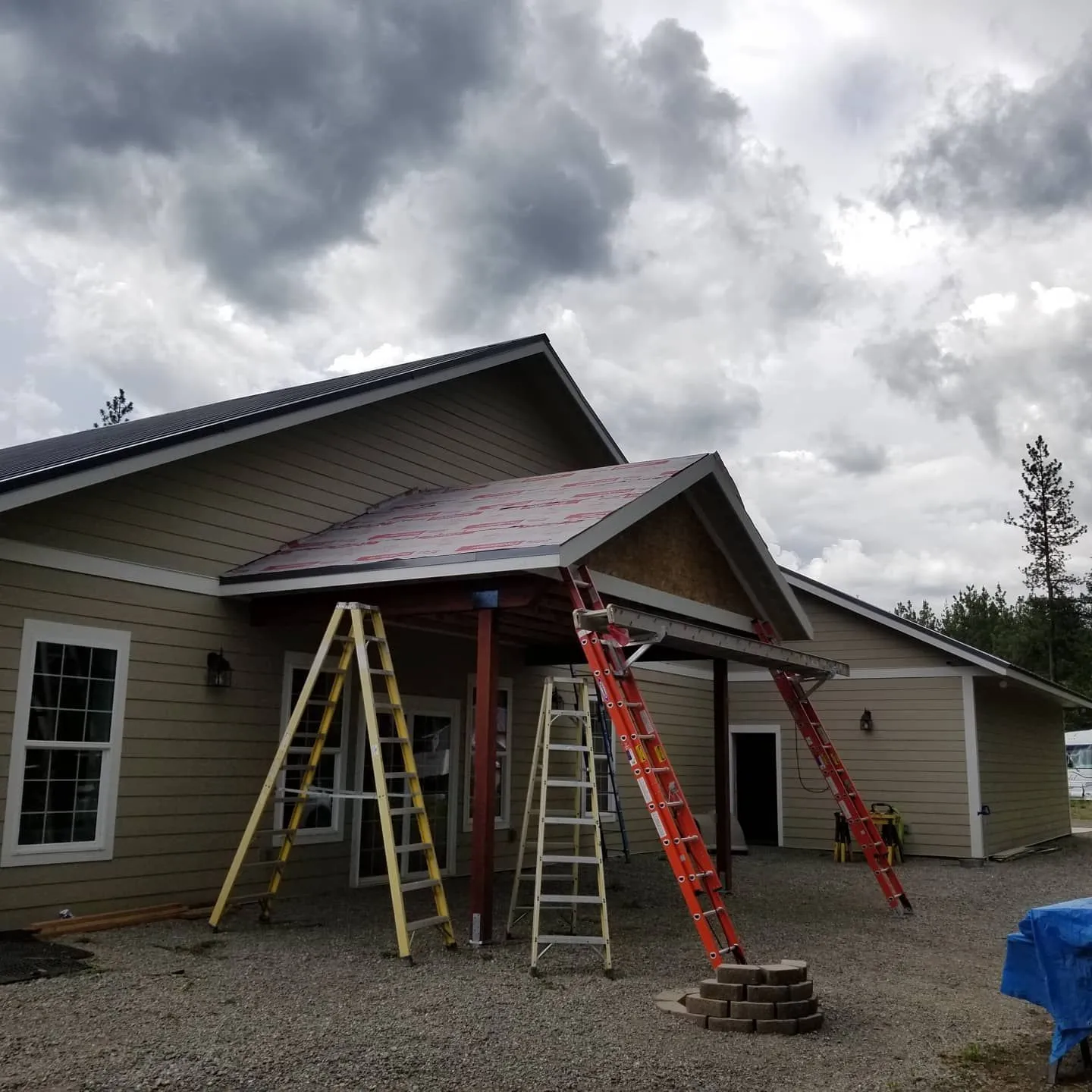
Upgrade your North Idaho home with Valhalla Construction LLC’s home remodeling services, from basements and additions to whole house makeovers.
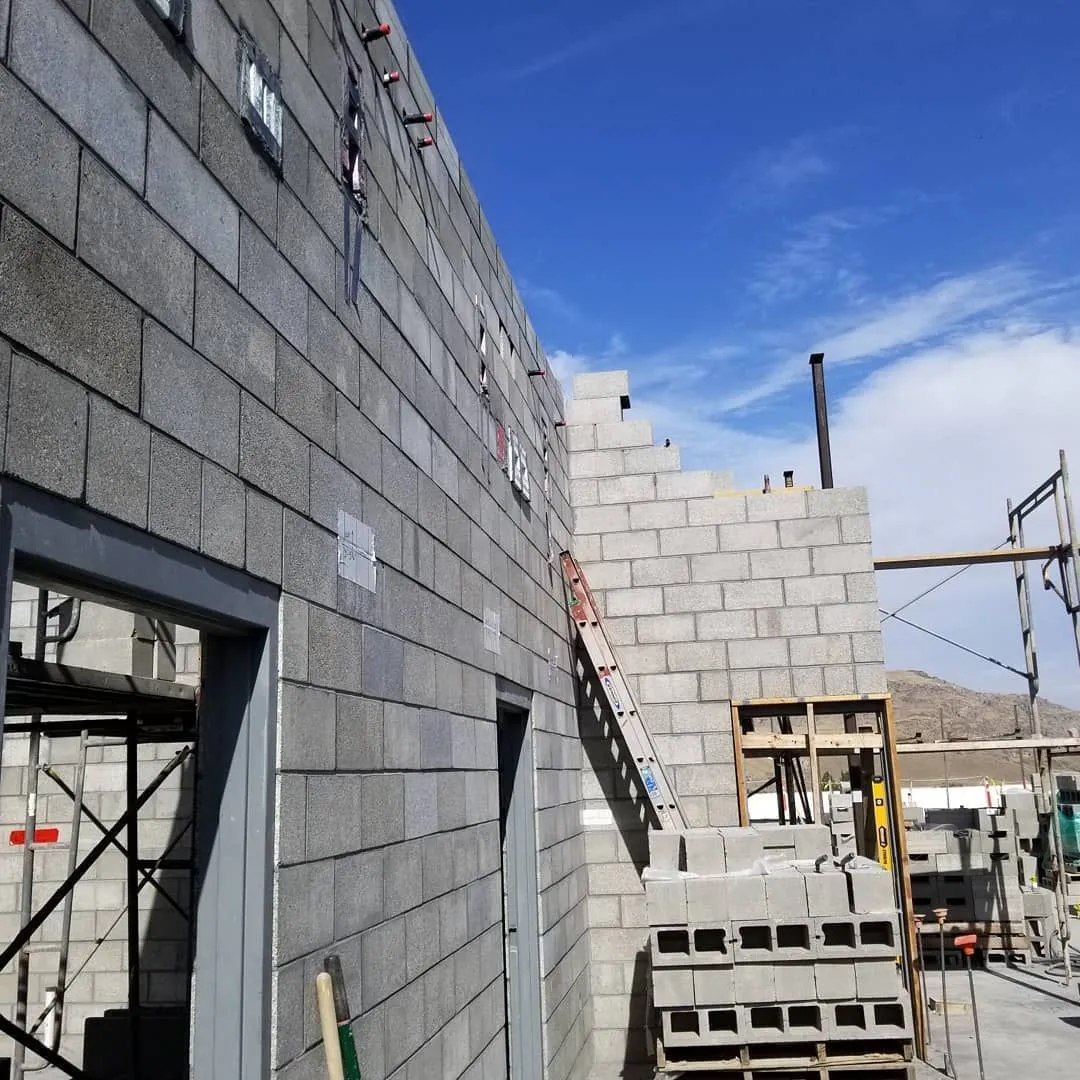
Protect your North Idaho home with Valhalla Construction LLC. Learn signs you need residential structural repair and professional structural additions.
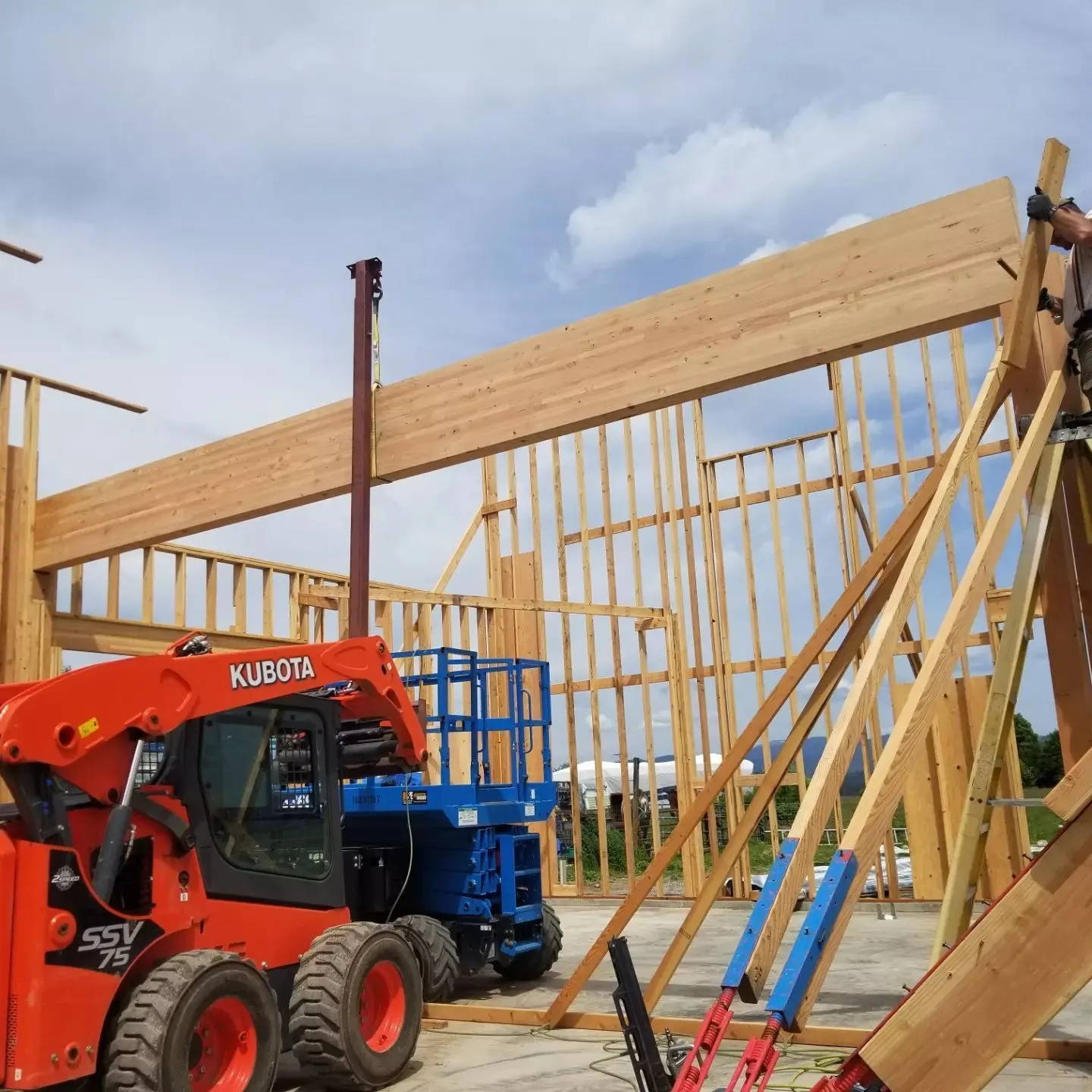
Learn how to choose the right residential construction company in North Idaho, including tips on experience, licensing, pricing, and hiring a trusted contractor.
Calling 811 only marks public lines. See why underground utility locating protects your well, septic, and propane runs before you dig in Bonner County.
Planning basement construction and remodels in Bonner County, ID? Learn frost line depths, winter pours, 2026 permit steps, and design trends.
Thinking about a pre-engineered steel building in North Idaho? See why they beat wood for snow, fire, and value in North Idaho. Call Valhalla today.
Planning a custom home in North Idaho? Learn how land, building systems, design-build planning, and 2026 ADU rules affect cost, timing, and design.
Planning a whole house renovation in North Idaho? Learn about timelines, cost factors, planning steps, contractor selection, and what homeowners can expect.
Upgrade your North Idaho home with Valhalla Construction LLC’s home remodeling services, from basements and additions to whole house makeovers.
Protect your North Idaho home with Valhalla Construction LLC. Learn signs you need residential structural repair and professional structural additions.
Learn how to choose the right residential construction company in North Idaho, including tips on experience, licensing, pricing, and hiring a trusted contractor.